
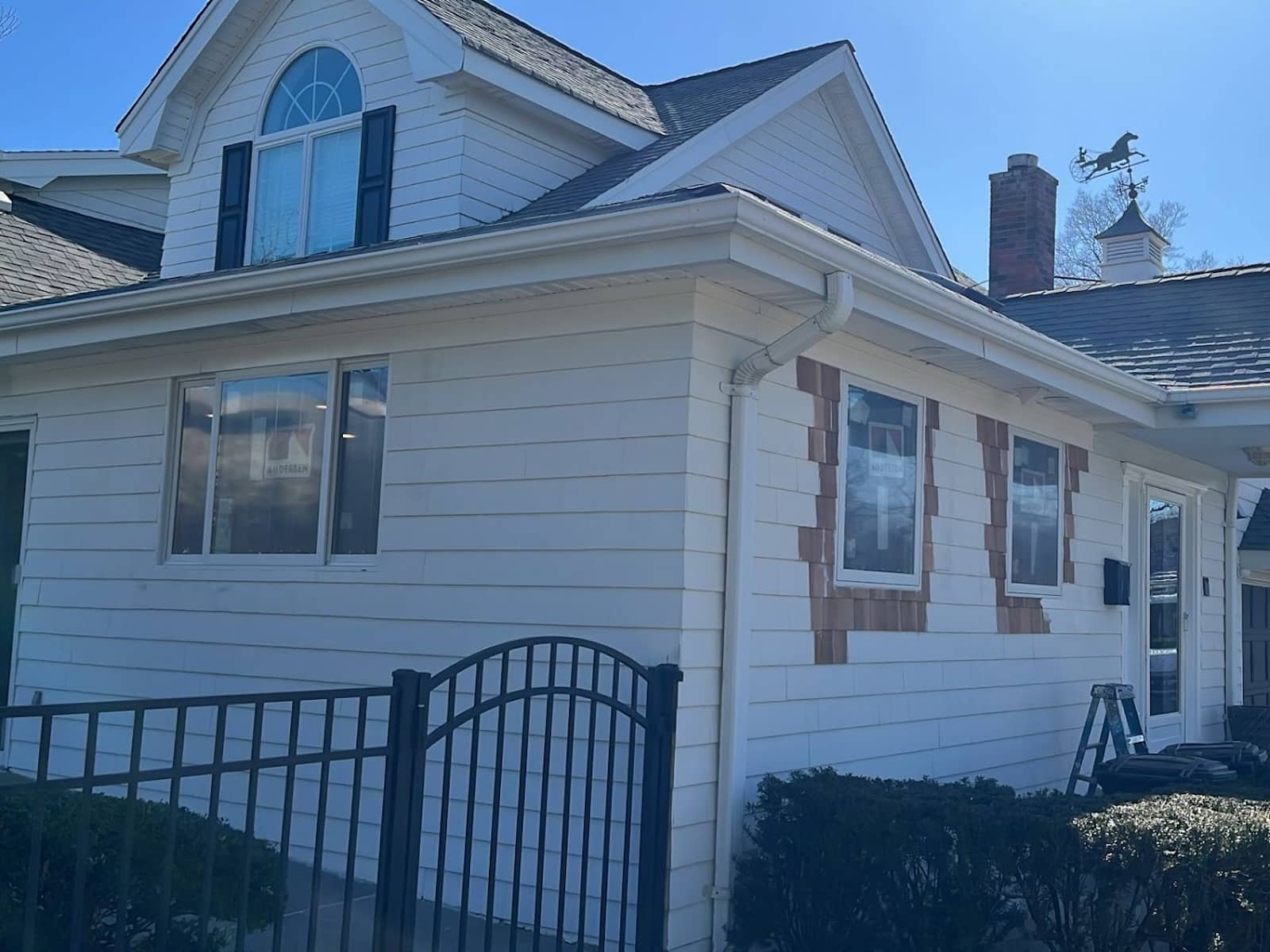
Start by assessing how people move through the space. Identify blocked paths or congested areas. Adjust furniture placement, widen walkways, or move islands and partitions in kitchens or living areas. Work with your designer or contractor to ensure pathways feel natural and functional while keeping the layout open and inviting.
Conclusion
Avoiding the top remodeling mistakes starts with preparation, research, and realistic expectations. Every choice, from budgeting to contractor selection to material choices, can affect costs, timelines, and long term satisfaction. Working with a trusted home remodeling company in Long Island ensures experienced guidance at every step, from planning to execution.
Take the time to plan, document, and consult professionals when needed. Using a home remodeling checklist and reviewing contractor references can save time and money. Your home remodel will be smoother, safer, and more rewarding when you combine smart decisions with practical oversight and expert support.
Home remodeling on Long Island can be exciting—but it’s easy to make mistakes that end up costing time, money, and peace of mind. Even small oversights, like underestimating costs or skipping a permit, can turn into major problems.
Many homeowners dive in without a clear plan or realistic budget. Poor planning, incomplete scope of work, and hidden renovation costs are some of the most common pitfalls. On Long Island, factors like local building regulations, contractor availability, and town permit fees can make these mistakes even more expensive.
Working with a trusted home remodeling company in Long Island NY can help you avoid these issues. Early planning, realistic budgeting, and professional guidance save thousands and make your home renovation smoother, safer, and more enjoyable.
What are the Most Common Home Remodeling Mistakes?
Many home renovations fail not because of poor craftsmanship, but because small mistakes snowball. On Long Island, homeowners often underestimate the impact of permits, labor costs, and material availability. Even minor oversights, such as ignoring local building regulations, can delay a project and raise costs.
Planning and budgeting are crucial. Establishing a realistic renovation plan, including contingency funds for hidden costs, ensures smoother progress. Detailed pre-remodel inspections and a clear scope of work prevent surprises once construction begins.
Small mistakes, such as choosing the wrong contractor or skipping design reviews, can quickly become costly. By addressing these early, Long Island homeowners can protect their investment and avoid extended timelines.
1. Rushing Into Your Remodel
Jumping into a project without research or a solid plan is one of the most common renovation errors. Homeowners often underestimate the time required for design, demolition, and finishing phases.
Ignoring realistic timelines can turn what should be a few months of work into a long, stressful ordeal. This is especially true on Long Island, where contractor schedules and permit processing can affect project duration.
A related question many people ask is, “Is $50,000 enough to renovate a home?” The answer depends on the home’s size, the scope of work, and hidden costs. Rushing into a remodel without detailed budgeting almost guarantees overspending or incomplete work.
2. Skipping Contractor Research
Choosing the lowest quote without proper vetting is a common mistake that can cost more in the long run. Hiring an unlicensed or inexperienced contractor can lead to delays, code violations, and poor-quality work.
It is essential to check licenses, insurance, and past projects before committing. Requesting references and reviewing customer feedback helps identify reliable professionals who follow industry standards.
Red flags include vague contracts, unclear timelines, or reluctance to provide documentation. Taking the time to research contractors protects your investment, avoids unexpected costs, and ensures your home renovation proceeds smoothly.
3. Ignoring Permits and Building Codes
Skipping town permits and inspections is a mistake many homeowners make when starting a project. In Long Island, each town has specific local building regulations and approvals that must be followed to avoid fines or work stoppages.
Ignoring permits can lead to costly delays, code violations, and potential problems when selling your home. It also affects safety, as proper inspections ensure electrical, plumbing, and structural work meets standards.
Following regulations from the start protects your investment, keeps your renovation on schedule, and maintains the resale value of your home.
4. Underestimating Budget and Hidden Costs
Many homeowners start a remodel without planning for hidden renovation costs. Electrical upgrades, plumbing fixes, HVAC modifications, and structural repairs can quickly add up, especially in older homes.
Not setting aside a contingency fund often leads to budget overruns. A practical approach is to follow the 30 percent rule for renovations, reserving at least 30 percent of your budget for unexpected issues.
Planning for these extra costs from the beginning keeps your project on track, prevents financial stress, and ensures you can complete the remodel without cutting corners.
5. Prioritizing Style Over Function
Homeowners often chase trends instead of thinking about how spaces will actually be used. In kitchens, this can mean awkward layouts or counters that do not suit your cooking habits. Bathrooms with oversized vanities or impractical storage can frustrate daily routines, while living areas that prioritize looks over flow can feel cluttered.
Focusing on functionality ensures your home is comfortable, practical, and enjoyable long after the remodel. Thoughtful design also protects your investment, improving ROI and resale appeal.
6. Changing Plans Too Often During Construction
Making frequent changes mid-project creates delays, adds costs, and can frustrate your contractor. Scope creep often leads to extra permits, reordering materials, and extended timelines, particularly on Long Island where scheduling skilled trades can already be tight.
Maintaining a clear vision, using a home remodeling checklist, and sticking to your original plan keeps the project on track. Early decisions about layout, finishes, and priorities save both time and money.
7. Poor Communication Throughout the Project
Misunderstandings between homeowners, contractors, and tradespeople are a leading cause of remodeling problems. Without clear instructions, even simple tasks can get delayed or done incorrectly.
Documenting decisions in writing, keeping a shared schedule, and holding regular check-ins can prevent costly confusion. Using tools like a project management app or a home remodeling checklist helps everyone stay on the same page, making your renovation smoother and less stressful.
8. Ignoring Home Safety and Structural Issues
Homeowners sometimes overlook electrical, plumbing, mold, asbestos, or load-bearing concerns until they become urgent problems. Skipping proper inspections can put your family at risk and lead to expensive repairs later.
Professional inspections, compliance with local building codes, and consulting licensed contractors ensure safety during and after the remodel. Addressing structural and health concerns early protects both your home’s value and your peace of mind.
9. Overlooking Future Resale Value
It’s easy to choose finishes or layouts based solely on personal taste, but what works for you today may limit your home’s appeal to future buyers. Over-customization or trend-driven choices can reduce your ROI and make selling more difficult.
Balancing personalization with long-term appeal is key. Neutral colors, functional layouts, and durable materials help ensure your renovation adds value. Considering how your choices affect resale from the start keeps your Long Island home attractive to buyers while still reflecting your style.
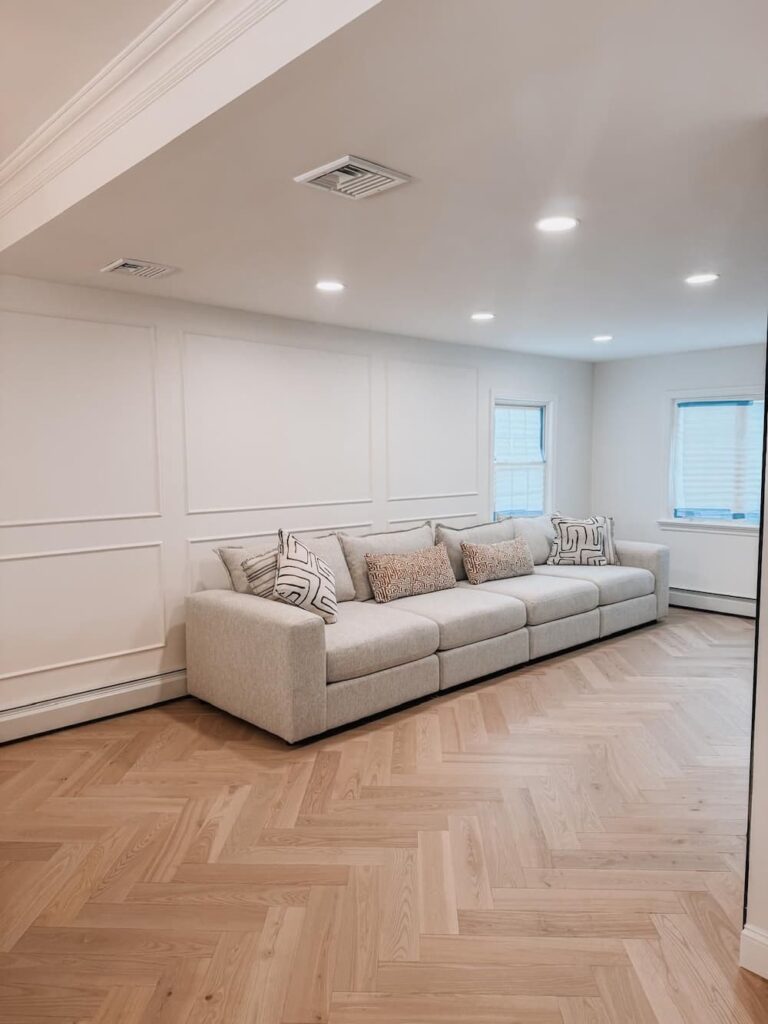
How to Avoid Common Home Renovation Mistakes?
Careful planning is the foundation of a successful home remodeling project. Start by setting a realistic budget and including a contingency fund for hidden renovation costs. Hiring a licensed and experienced contractor helps avoid common pitfalls and ensures work meets local building codes.
Checklists and clearly defined timelines keep everyone on the same page. Document decisions and communicate regularly with your contractor, trades, and family members. This prevents misunderstandings and keeps your renovation moving smoothly.
Professional consultation is always a smart step, even if you are confident in your planning. A pre-remodel inspection or a detailed cost estimate can save money and stress down the road.

Start by assessing how people move through the space. Identify blocked paths or congested areas. Adjust furniture placement, widen walkways, or move islands and partitions in kitchens or living areas. Work with your designer or contractor to ensure pathways feel natural and functional while keeping the layout open and inviting.
Conclusion
Avoiding the top remodeling mistakes starts with preparation, research, and realistic expectations. Every choice, from budgeting to contractor selection to material choices, can affect costs, timelines, and long term satisfaction. Working with a trusted home remodeling company in Long Island ensures experienced guidance at every step, from planning to execution.
Take the time to plan, document, and consult professionals when needed. Using a home remodeling checklist and reviewing contractor references can save time and money. Your home remodel will be smoother, safer, and more rewarding when you combine smart decisions with practical oversight and expert support.
Start by assessing how people move through the space. Identify blocked paths or congested areas. Adjust furniture placement, widen walkways, or move islands and partitions in kitchens or living areas. Work with your designer or contractor to ensure pathways feel natural and functional while keeping the layout open and inviting.
Conclusion
Avoiding the top remodeling mistakes starts with preparation, research, and realistic expectations. Every choice, from budgeting to contractor selection to material choices, can affect costs, timelines, and long term satisfaction. Working with a trusted home remodeling company in Long Island ensures experienced guidance at every step, from planning to execution.
Take the time to plan, document, and consult professionals when needed. Using a home remodeling checklist and reviewing contractor references can save time and money. Your home remodel will be smoother, safer, and more rewarding when you combine smart decisions with practical oversight and expert support.
Many homeowners underestimate the full scope, skip contractor research, or ignore permits and budgets.
Over-customized layouts, trend-driven finishes, or ignoring neighborhood standards can reduce resale value.
The most common mistake is underestimating total costs. Homeowners often forget hidden expenses such as permits, inspections, electrical or plumbing upgrades, structural repairs, and contingency for unexpected issues. To avoid overruns, set a realistic budget with a 10–20% contingency fund and track expenses closely throughout your renovation.
Do thorough research before hiring. Verify licenses, insurance, and past projects. Check references and customer reviews, and compare multiple quotes rather than automatically choosing the lowest bid. A clear written contract detailing scope, timeline, and payments is essential. Consistent communication and contractor transparency help prevent mistakes and delays.
Start by assessing how people move through the space. Identify blocked paths or congested areas. Adjust furniture placement, widen walkways, or move islands and partitions in kitchens or living areas. Work with your designer or contractor to ensure pathways feel natural and functional while keeping the layout open and inviting.
Conclusion
Avoiding the top remodeling mistakes starts with preparation, research, and realistic expectations. Every choice, from budgeting to contractor selection to material choices, can affect costs, timelines, and long term satisfaction. Working with a trusted home remodeling company in Long Island ensures experienced guidance at every step, from planning to execution.
Take the time to plan, document, and consult professionals when needed. Using a home remodeling checklist and reviewing contractor references can save time and money. Your home remodel will be smoother, safer, and more rewarding when you combine smart decisions with practical oversight and expert support.
Home remodeling on Long Island can be exciting—but it’s easy to make mistakes that end up costing time, money, and peace of mind. Even small oversights, like underestimating costs or skipping a permit, can turn into major problems.
Many homeowners dive in without a clear plan or realistic budget. Poor planning, incomplete scope of work, and hidden renovation costs are some of the most common pitfalls. On Long Island, factors like local building regulations, contractor availability, and town permit fees can make these mistakes even more expensive.
Working with a trusted home remodeling company in Long Island NY can help you avoid these issues. Early planning, realistic budgeting, and professional guidance save thousands and make your home renovation smoother, safer, and more enjoyable.
What are the Most Common Home Remodeling Mistakes?
Many home renovations fail not because of poor craftsmanship, but because small mistakes snowball. On Long Island, homeowners often underestimate the impact of permits, labor costs, and material availability. Even minor oversights, such as ignoring local building regulations, can delay a project and raise costs.
Planning and budgeting are crucial. Establishing a realistic renovation plan, including contingency funds for hidden costs, ensures smoother progress. Detailed pre-remodel inspections and a clear scope of work prevent surprises once construction begins.
Small mistakes, such as choosing the wrong contractor or skipping design reviews, can quickly become costly. By addressing these early, Long Island homeowners can protect their investment and avoid extended timelines.
1. Rushing Into Your Remodel
Jumping into a project without research or a solid plan is one of the most common renovation errors. Homeowners often underestimate the time required for design, demolition, and finishing phases.
Ignoring realistic timelines can turn what should be a few months of work into a long, stressful ordeal. This is especially true on Long Island, where contractor schedules and permit processing can affect project duration.
A related question many people ask is, “Is $50,000 enough to renovate a home?” The answer depends on the home’s size, the scope of work, and hidden costs. Rushing into a remodel without detailed budgeting almost guarantees overspending or incomplete work.
2. Skipping Contractor Research
Choosing the lowest quote without proper vetting is a common mistake that can cost more in the long run. Hiring an unlicensed or inexperienced contractor can lead to delays, code violations, and poor-quality work.
It is essential to check licenses, insurance, and past projects before committing. Requesting references and reviewing customer feedback helps identify reliable professionals who follow industry standards.
Red flags include vague contracts, unclear timelines, or reluctance to provide documentation. Taking the time to research contractors protects your investment, avoids unexpected costs, and ensures your home renovation proceeds smoothly.
3. Ignoring Permits and Building Codes
Skipping town permits and inspections is a mistake many homeowners make when starting a project. In Long Island, each town has specific local building regulations and approvals that must be followed to avoid fines or work stoppages.
Ignoring permits can lead to costly delays, code violations, and potential problems when selling your home. It also affects safety, as proper inspections ensure electrical, plumbing, and structural work meets standards.
Following regulations from the start protects your investment, keeps your renovation on schedule, and maintains the resale value of your home.
4. Underestimating Budget and Hidden Costs
Many homeowners start a remodel without planning for hidden renovation costs. Electrical upgrades, plumbing fixes, HVAC modifications, and structural repairs can quickly add up, especially in older homes.
Not setting aside a contingency fund often leads to budget overruns. A practical approach is to follow the 30 percent rule for renovations, reserving at least 30 percent of your budget for unexpected issues.
Planning for these extra costs from the beginning keeps your project on track, prevents financial stress, and ensures you can complete the remodel without cutting corners.
5. Prioritizing Style Over Function
Homeowners often chase trends instead of thinking about how spaces will actually be used. In kitchens, this can mean awkward layouts or counters that do not suit your cooking habits. Bathrooms with oversized vanities or impractical storage can frustrate daily routines, while living areas that prioritize looks over flow can feel cluttered.
Focusing on functionality ensures your home is comfortable, practical, and enjoyable long after the remodel. Thoughtful design also protects your investment, improving ROI and resale appeal.
6. Changing Plans Too Often During Construction
Making frequent changes mid-project creates delays, adds costs, and can frustrate your contractor. Scope creep often leads to extra permits, reordering materials, and extended timelines, particularly on Long Island where scheduling skilled trades can already be tight.
Maintaining a clear vision, using a home remodeling checklist, and sticking to your original plan keeps the project on track. Early decisions about layout, finishes, and priorities save both time and money.
7. Poor Communication Throughout the Project
Misunderstandings between homeowners, contractors, and tradespeople are a leading cause of remodeling problems. Without clear instructions, even simple tasks can get delayed or done incorrectly.
Documenting decisions in writing, keeping a shared schedule, and holding regular check-ins can prevent costly confusion. Using tools like a project management app or a home remodeling checklist helps everyone stay on the same page, making your renovation smoother and less stressful.
8. Ignoring Home Safety and Structural Issues
Homeowners sometimes overlook electrical, plumbing, mold, asbestos, or load-bearing concerns until they become urgent problems. Skipping proper inspections can put your family at risk and lead to expensive repairs later.
Professional inspections, compliance with local building codes, and consulting licensed contractors ensure safety during and after the remodel. Addressing structural and health concerns early protects both your home’s value and your peace of mind.
9. Overlooking Future Resale Value
It’s easy to choose finishes or layouts based solely on personal taste, but what works for you today may limit your home’s appeal to future buyers. Over-customization or trend-driven choices can reduce your ROI and make selling more difficult.
Balancing personalization with long-term appeal is key. Neutral colors, functional layouts, and durable materials help ensure your renovation adds value. Considering how your choices affect resale from the start keeps your Long Island home attractive to buyers while still reflecting your style.
How to Avoid Common Home Renovation Mistakes?
Careful planning is the foundation of a successful home remodeling project. Start by setting a realistic budget and including a contingency fund for hidden renovation costs. Hiring a licensed and experienced contractor helps avoid common pitfalls and ensures work meets local building codes.
Checklists and clearly defined timelines keep everyone on the same page. Document decisions and communicate regularly with your contractor, trades, and family members. This prevents misunderstandings and keeps your renovation moving smoothly.
Professional consultation is always a smart step, even if you are confident in your planning. A pre-remodel inspection or a detailed cost estimate can save money and stress down the road.

Start by assessing how people move through the space. Identify blocked paths or congested areas. Adjust furniture placement, widen walkways, or move islands and partitions in kitchens or living areas. Work with your designer or contractor to ensure pathways feel natural and functional while keeping the layout open and inviting.
Conclusion
Avoiding the top remodeling mistakes starts with preparation, research, and realistic expectations. Every choice, from budgeting to contractor selection to material choices, can affect costs, timelines, and long term satisfaction. Working with a trusted home remodeling company in Long Island ensures experienced guidance at every step, from planning to execution.
Take the time to plan, document, and consult professionals when needed. Using a home remodeling checklist and reviewing contractor references can save time and money. Your home remodel will be smoother, safer, and more rewarding when you combine smart decisions with practical oversight and expert support.
Start by assessing how people move through the space. Identify blocked paths or congested areas. Adjust furniture placement, widen walkways, or move islands and partitions in kitchens or living areas. Work with your designer or contractor to ensure pathways feel natural and functional while keeping the layout open and inviting.
Conclusion
Avoiding the top remodeling mistakes starts with preparation, research, and realistic expectations. Every choice, from budgeting to contractor selection to material choices, can affect costs, timelines, and long term satisfaction. Working with a trusted home remodeling company in Long Island ensures experienced guidance at every step, from planning to execution.
Take the time to plan, document, and consult professionals when needed. Using a home remodeling checklist and reviewing contractor references can save time and money. Your home remodel will be smoother, safer, and more rewarding when you combine smart decisions with practical oversight and expert support.
Many homeowners underestimate the full scope, skip contractor research, or ignore permits and budgets.
Over-customized layouts, trend-driven finishes, or ignoring neighborhood standards can reduce resale value.
The most common mistake is underestimating total costs. Homeowners often forget hidden expenses such as permits, inspections, electrical or plumbing upgrades, structural repairs, and contingency for unexpected issues. To avoid overruns, set a realistic budget with a 10–20% contingency fund and track expenses closely throughout your renovation.
Do thorough research before hiring. Verify licenses, insurance, and past projects. Check references and customer reviews, and compare multiple quotes rather than automatically choosing the lowest bid. A clear written contract detailing scope, timeline, and payments is essential. Consistent communication and contractor transparency help prevent mistakes and delays.
Start by assessing how people move through the space. Identify blocked paths or congested areas. Adjust furniture placement, widen walkways, or move islands and partitions in kitchens or living areas. Work with your designer or contractor to ensure pathways feel natural and functional while keeping the layout open and inviting.
Conclusion
Avoiding the top remodeling mistakes starts with preparation, research, and realistic expectations. Every choice, from budgeting to contractor selection to material choices, can affect costs, timelines, and long term satisfaction. Working with a trusted home remodeling company in Long Island ensures experienced guidance at every step, from planning to execution.
Take the time to plan, document, and consult professionals when needed. Using a home remodeling checklist and reviewing contractor references can save time and money. Your home remodel will be smoother, safer, and more rewarding when you combine smart decisions with practical oversight and expert support.