
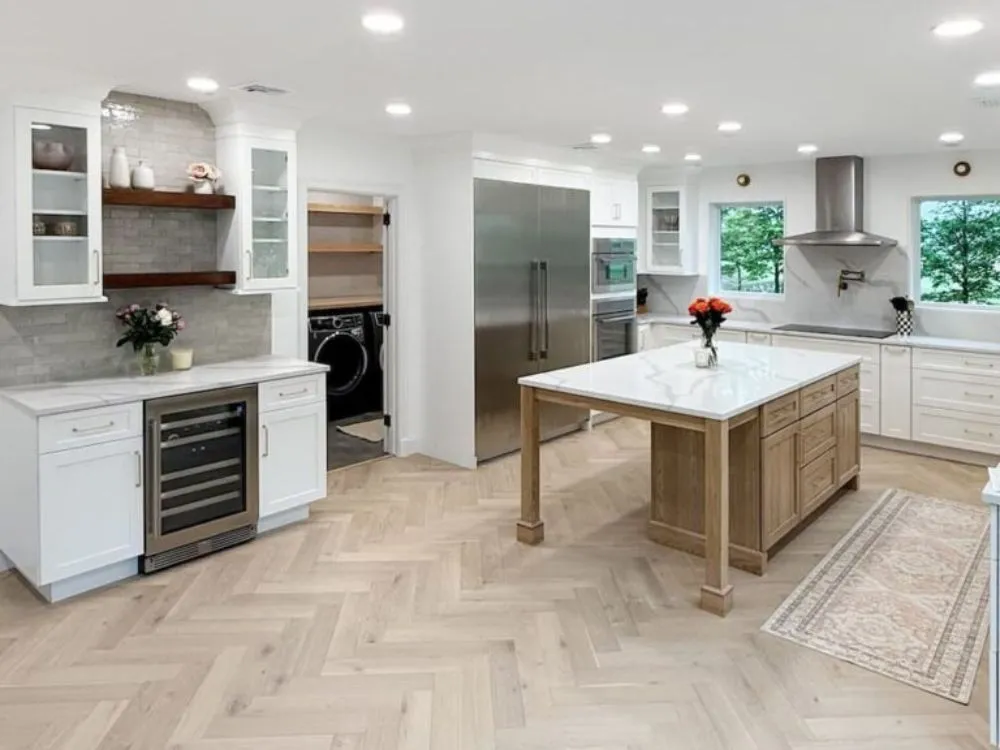
A kitchen remodel can strongly influence home value because buyers often judge a property by its kitchen first. It affects daily use, storage, layout, and overall comfort. An updated kitchen also signals proper maintenance, which can build buyer confidence and attract stronger offers in competitive markets.
Most homeowners see a return on investment between 50 percent and 80 percent, depending on the remodel type and local demand. Smaller upgrades often deliver better value than full luxury overhauls. In this guide, you will learn how different remodel types impact property value, which upgrades bring the best return, and how working with a trusted home remodeling contractor in Valley Stream NY can help you plan improvements that support long term equity growth.
Key Takeaways About Kitchen Remodel ROI
A kitchen remodel can significantly impact home value when planned wisely. Keep these points in mind:
- Typical ROI ranges between 50 and 80 percent, depending on scope and local demand
- High-impact upgrades include cabinets, countertops, energy-efficient appliances, and functional layouts
- Biggest value drivers are timeless design, quality materials, efficient workflow, and modern features that appeal to buyers
How Much Value Does a Kitchen Remodel Add to Your Home?
Average ROI of a Kitchen Remodel
A kitchen remodel is one of the most reliable ways to increase property value because it enhances both function and buyer appeal. Industry data shows that homeowners typically recover about 50 percent to 80 percent of their remodeling investment at resale, with exact returns depending on project scope, material quality, and local housing demand.
Kitchens remain a top priority for buyers in 2026, and according to Zillow’s 2024 Consumer Housing Trends Report, 57 percent of buyers said having their preferred kitchen style was extremely or very important in their home-buying decision Homes with updated kitchens often sell faster and attract stronger offers because buyers prefer move in ready spaces with modern layouts, storage, and efficient appliances.
Minor vs Midrange vs Upscale Remodel ROI
Minor remodel ROI
A minor kitchen remodel often delivers the highest return, typically between 70 percent and 85 percent. Simple upgrades like cabinet refacing, new countertops, lighting improvements, and updated appliances improve usability without heavy construction costs.
Midrange remodel ROI
Midrange renovations usually recover about 55 percent to 70 percent of costs. These projects may include semi custom cabinets, layout adjustments, new flooring, and modern fixtures that improve both function and visual appeal.
High end remodel ROI
Upscale renovations often see lower returns, usually around 40 percent to 55 percent. Luxury materials, custom layouts, and premium appliances can increase comfort but may not match what typical buyers are willing to pay.
Smaller updates often produce better returns because they improve everyday functionality without overpricing the home compared to neighborhood market value. Buyers focus more on practical improvements than expensive luxury features.
What Factors Influence Kitchen Remodel ROI?
The value a kitchen remodel adds to your home depends on more than just new cabinets or countertops. Knowing which factors influence ROI ensures your upgrades deliver real results and long-term equity growth.
Scope of Renovation
The size and type of remodel play a major role in how much value you gain. Minor updates such as cabinet refacing, new countertops, lighting, and appliance upgrades usually deliver stronger returns because they improve appearance and function without major construction costs. A full kitchen renovation with structural changes can increase comfort and usability, but the higher investment often lowers the percentage of costs recovered at resale.
Quality of Materials and Workmanship
Material choices directly affect both durability and buyer perception. Cheap finishes may reduce upfront costs, but they wear out quickly and can lower resale value. Durable upgrades like quartz countertops, solid cabinetry, and quality flooring tend to attract buyers because they signal long term reliability. Skilled workmanship also matters since poor installation can create visible defects that hurt buyer confidence.
Layout and Functionality Improvements
A functional layout can significantly boost remodeling ROI. Buyers prefer kitchens with efficient workflow, clear walking space, and practical storage. Features such as an open concept layout, a well placed kitchen island, and improved storage capacity make the space more usable and appealing for daily living and entertaining.
Local Housing Market Conditions
Local demand strongly influences how much value a remodel adds. In high demand neighborhoods, updated kitchens often increase asking prices and help homes sell faster. Homes with modern kitchens typically perform better in competitive markets because buyers prioritize move-in ready properties.
What Type of Kitchen Remodel Adds the Most Value?
Not all kitchen remodels deliver the same return on investment. Some updates directly boost resale value and buyer appeal, while others may not recoup costs or could even over-improve a home. Understanding which improvements matter most helps homeowners focus their budget where it counts.
High ROI Upgrades That Buyers Love
Investing in key upgrades can significantly increase home value. Buyers respond positively to custom or semi-custom cabinetry, modern countertops such as quartz or granite, and energy-efficient stainless steel appliances. Updated lighting enhances both style and functionality, while functional layouts, including open-concept designs and optimized workflow, make kitchens feel spacious and practical. Even small improvements like soft-close drawers, under-cabinet lighting, or a well-placed kitchen island can leave a strong impression.
Upgrades That Add the Least Value
Overly luxurious features and trend-driven designs often fail to generate a strong return. Similarly, remodeling that exceeds the neighborhood standard can result in limited resale benefits. While personalized luxury elements may enhance daily enjoyment, they rarely translate into higher offers and can make it harder to appeal to a broad pool of buyers.
Is a Kitchen Remodel Worth It Before Selling?
Deciding whether to remodel before selling depends on your home’s current condition and the local market. A strategic update can improve resale value, but unnecessary upgrades may not pay off.
When Remodeling Before Selling Makes Sense
Updating an outdated kitchen often delivers strong returns, especially in competitive housing markets where buyers prioritize move-in ready homes. Minor to midrange remodels, refreshed cabinetry, modern appliances, and functional layouts can make your property stand out and shorten time on the market.
When It May Not Be Worth the Investment
Homes with already modern kitchens may not benefit much from additional upgrades. Over-improving beyond the neighborhood standard can limit return on investment and make it harder to recoup costs. In these cases, focusing on cosmetic touches or small value-adding improvements is often smarter.
How Kitchen Remodeling Affects Home Appraisal Value
Kitchen condition plays a central role in a home appraisal. Appraisers assess layout, functionality, material quality, and overall maintenance. Functional improvements such as efficient workflows, sufficient storage, and energy-efficient appliances can increase appraised value more than cosmetic upgrades alone. While fresh paint or trendy finishes improve visual appeal, appraisers prioritize elements that impact daily use, durability, and market comparability. A well-planned remodel that balances quality materials and practical design ensures your kitchen positively influences the property’s fair market price and supports a stronger listing.
How to Maximize ROI from Your Kitchen Remodel
A smart kitchen remodel balances style, function, and long-term value. Focusing on upgrades that appeal to buyers ensures your investment pays off while improving daily use.
- Focus on Timeless Design: Choose finishes and colors that won’t look dated quickly. Neutral palettes, classic cabinetry, and enduring countertop materials maintain appeal for years.
- Prioritize Function Over Appearance: Efficient workflows, ample storage, and practical layouts make kitchens more usable and attractive. Buyers notice how well the space works for cooking and entertaining.
- Invest in Quality Where It Counts: Cabinets, countertops, and durable flooring deliver the best long-term value. High-quality materials last longer and positively influence home appraisal and buyer perception. For guidance on hiring the right professional, read our tips for choosing a reliable home remodeling contractor.
- Choose Energy Efficient Features: Energy-efficient appliances, LED lighting, and water-saving fixtures appeal to modern buyers and can reduce utility costs, enhancing both functional and financial value.
How Much Should You Spend on a Kitchen Remodel?
Knowing how much to invest ensures you maximize return without overspending. Use these guidelines to plan your budget strategically:
- Aim for 5 to 15 percent of your home’s current value for typical remodels
- Allocate more to high-impact areas like cabinets, countertops, and appliances
- Reserve a contingency fund for unexpected repairs or updates
- Avoid over-improving beyond neighborhood standards to protect ROI
Frequently Asked Questions
How much does a kitchen remodel increase home value in 2026?
A kitchen remodel typically adds 50 to 80 percent of your investment back to your home’s value. Minor and midrange updates usually offer the highest returns, while luxury overhauls may recoup less depending on local housing demand.
What is the average ROI for a kitchen remodel?
Nationally, homeowners can expect an average ROI of around 60 to 70 percent. Minor remodels often perform slightly better percentage-wise because they balance cost and visible improvements.
Does a kitchen remodel always increase home value?
Not always. Homes that already have modern kitchens or are in areas with low buyer demand may see minimal value gain. Over-improving beyond neighborhood standards can reduce ROI.
Do energy-efficient appliances boost kitchen remodel ROI?
Yes. Energy-efficient and Energy Star-rated appliances are highly valued by buyers, improve utility savings, and make your home more attractive in competitive markets.
Are quartz countertops worth it for home value?
Quartz countertops are durable, low maintenance, and visually appealing. They typically offer strong ROI and appeal to buyers who want modern, functional kitchens.
Why do buyers prioritize updated kitchens?
Kitchens are often the focal point for move-in ready homes. Buyers value functional layouts, ample storage, modern appliances, and finishes that require minimal updates. A well-designed kitchen signals that the home is maintained, comfortable, and ready for daily living, making it a key factor in purchase decisions.
How to maximize kitchen remodel ROI in 2026?
Focus on timeless design, quality materials, functional layouts, and energy-efficient upgrades. Avoid overly trendy or luxury features that exceed neighborhood standards. Hiring an experienced home remodeling contractor can help balance cost with equity growth.
What is the biggest expense in a kitchen remodel?
Cabinets are usually the largest single expense, followed by countertops, appliances, and labor costs. Investing in quality cabinetry and durable countertops provides the strongest long-term value.
Conclusion
A well-planned kitchen remodel can greatly increase home value. Begin by evaluating your current space, setting a realistic budget, and defining your style. Focus on functional layouts, quality materials, and upgrades that appeal to buyers. Hire licensed professionals, manage the installation carefully, and complete a thorough final inspection
Avoid over-improving beyond neighborhood standards. Thoughtful planning protects your investment and reduces stress. Consulting an experienced remodeling company in Long Island ensures your kitchen remodel combines style, function, and long-term resale value.