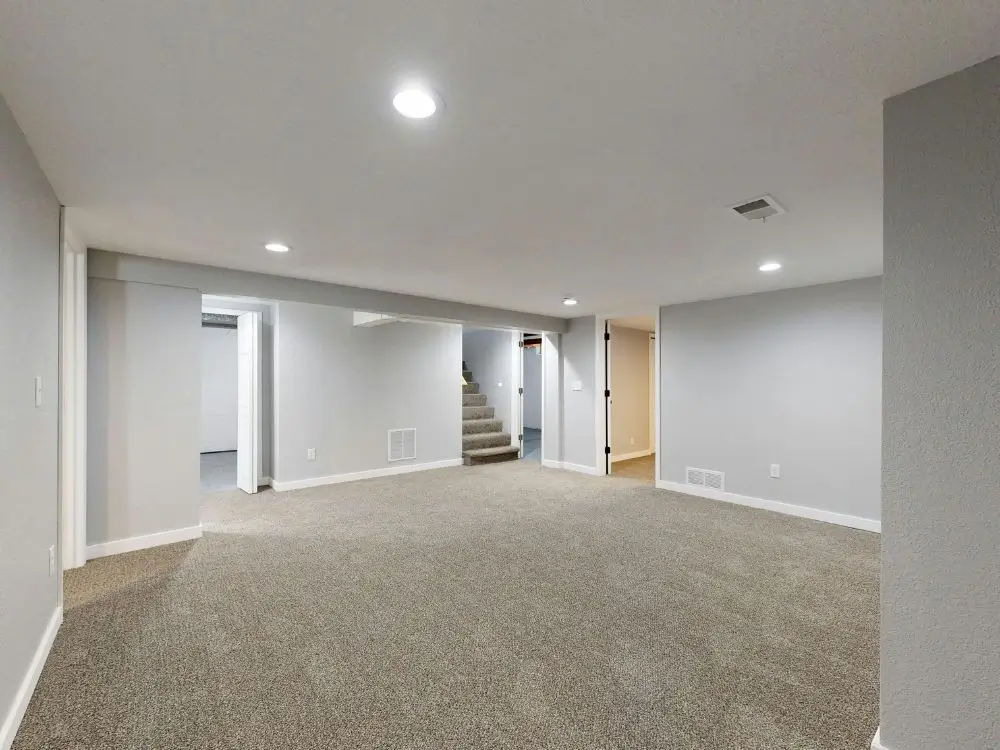
A basement floor is not like any other floor in your home. It sits on a concrete slab, deals with moisture, and faces constant temperature changes. Choosing the wrong material can lead to mold, damage, and early replacement.
Many homeowners start their project without understanding how basement conditions affect flooring. That often leads to issues after installation. Working with experienced basement remodeling contractors in Long Island helps plan the right materials, layout, and moisture protection from the start.
In this guide, you will learn the best basement flooring options for every budget, how to handle moisture, and what works best for different uses like living space, gym, or storage.
Why Choosing the Right Basement Flooring Matters
Basement flooring must handle moisture, humidity, and temperature shifts that are not common in upper levels. Concrete slab flooring can absorb moisture from the ground, which affects any material installed on top. Without proper basement floor preparation and moisture testing concrete, even high-end flooring can fail.
Using moisture-resistant flooring with a proper vapor barrier helps prevent mold, warping, and long-term damage. This is especially important in homes with basement moisture issues or in areas prone to humidity changes. Subfloor systems or insulated subfloor panels can also improve airflow and reduce dampness.
The right flooring choice also impacts comfort and durability. Some materials feel cold and hard, while others provide better insulation and a softer surface. For example, waterproof basement flooring like vinyl plank or tile performs better in high-moisture conditions, while carpet may not last as long without proper protection.
Long-term cost depends on both material and installation. Cheap options may fail faster if they are not designed for basement use. Durable flooring materials with proper installation methods reduce repairs and extend the life of your finished basement flooring.
Key Factors to Consider Before Choosing Basement Flooring
Choosing the right basement flooring starts with understanding how the space performs day to day. Each factor below affects durability, comfort, and long-term results.
Moisture Levels and Waterproofing Needs
Basement moisture issues should be checked before any flooring decision. Test the concrete slab and look for signs of dampness or leaks. Use waterproof flooring or add a vapor barrier to protect against mold and damage.
Subfloor vs Direct Installation on Concrete
Some flooring types can be installed directly on concrete, while others need a subfloor system. Basement subfloor panels or an insulated subfloor help improve airflow and reduce cold surfaces. This also adds a layer of protection in moisture-prone areas.
Durability and Maintenance
Basements are used for different purposes, so flooring must handle wear and tear. Durable flooring materials like vinyl plank flooring, porcelain tile, or epoxy flooring last longer and need less maintenance. Easy-to-clean flooring is a better choice for high-traffic areas.
Comfort and Insulation
Concrete floors feel cold without proper insulation. Adding thermal insulation flooring or using materials like cork flooring or carpet tiles improves comfort. This matters more if the space is used as a living area, home office, or kids playroom.
Budget and Long-Term Value
Affordable basement flooring may save money upfront, but not all options last. Compare cost per square foot flooring with lifespan and maintenance needs. Investing in moisture-resistant flooring with proper installation often gives better long-term value.
Best Basement Flooring Options for Different Needs
The right basement flooring depends on how you plan to use the space. Each option below is based on performance, moisture resistance, and long-term value.
Vinyl Plank Flooring (Most Popular Choice)
Vinyl plank flooring is one of the best basement flooring options for most homes. It is built for moisture-prone areas and installs easily with click-lock flooring systems.
- Fully waterproof and handles basement moisture issues well
- Scratch-resistant surface, good for pets and daily use
- Works with floating floor installation over concrete or subfloor
It fits most finished basement flooring projects, from living spaces to rental units. Many homeowners choose this for its balance of cost, durability, and low maintenance.
Tile Flooring (Best for High Moisture Areas)
Ceramic tile flooring and porcelain tile are reliable in basements with high moisture exposure. They do not absorb water and resist mold growth.
- Ideal for flood-prone basement solutions or utility areas
- Long-lasting and easy-to-clean flooring
- Compatible with radiant heating for better comfort
Tile is a strong choice for laundry areas or basements with past water issues. The surface can feel cold, so pairing it with rugs or insulated subfloor systems helps improve comfort.
Carpet (Best for Comfort and Warmth)
The carpet creates a soft and warm surface, making it suitable for living areas and bedrooms. Carpet tiles are often preferred because they are easier to replace if damaged.
- Adds insulation and reduces noise
- Works well for family-friendly basement flooring
- Available in stain-resistant and low-maintenance options
Moisture control is key. Without proper waterproofing and humidity control basement systems, carpet can trap moisture and lead to mold over time.
Laminate Flooring
Laminate flooring offers a budget-friendly way to achieve a wood-look flooring finish. It works best in basements that stay dry year-round.
- Affordable basement flooring with a wide range of styles
- Simple installation with click-lock flooring systems
- Requires underlayment installation for added protection
It is not waterproof. A proper moisture barrier and careful basement floor preparation are required to avoid swelling or damage.
Engineered Wood Flooring
Engineered hardwood flooring provides a more natural wood look while handling some moisture better than solid wood. It is often used in higher-end basement remodeling projects.
- Adds value and improves basement interior design
- More stable than traditional hardwood
- Works best in controlled environments
It still needs moisture testing concrete and humidity control. This option is common in finished basements designed as living or entertainment spaces in Long Island home remodeling services.
Epoxy and Painted Concrete
Epoxy flooring and painted concrete are practical for unfinished or utility basements. They work directly on concrete slab flooring and require minimal upkeep.
- Cost-effective and durable flooring materials
- Slip-resistant and easy to maintain
- No need for complex subfloor systems
This option is best for storage areas, home gyms, or workspaces. It provides a clean and long-lasting basement floor without high installation cost.
Basement Flooring Options for Concrete Floors
Concrete slab flooring is the base for most basements, and it behaves differently than wood subfloors. Some materials allow direct installation on concrete, while others need subfloor systems for better performance. Floating floor installation works well for vinyl plank flooring, tile, or epoxy, while options like laminate or engineered wood often need added support. Choosing the right floor installation method depends on moisture levels and how the space will be used.
The best basement floor options for concrete surfaces are those that handle moisture and stay stable over time. Waterproof flooring like vinyl plank flooring or porcelain tile performs well in most conditions. Epoxy flooring is another strong choice for durability and low maintenance. For added comfort, installing basement subfloor panels or an insulated subfloor can make the space warmer and more usable for living areas.
Moisture protection is a critical step before any installation. Moisture testing concrete helps identify hidden issues early. Adding a vapor barrier and proper underlayment installation prevents water from reaching the finished basement flooring. This step improves durability, reduces mold risk, and protects your investment long term.
What Flooring to Avoid in a Basement
Solid Hardwood
Solid hardwood does not perform well in basement conditions. It absorbs moisture from the concrete slab and can expand, warp, or crack over time. Even with sealing, it cannot handle ongoing humidity changes. For a similar look, engineered hardwood flooring is a more stable option for basement use.
Low-Quality Carpet Without Padding
Basic carpet without proper padding breaks down quickly in a basement. It traps moisture and creates a higher risk of mold and odors. Without a moisture barrier or proper insulation, it will not last long. If comfort is needed, carpet tiles with moisture-resistant backing are a better choice.
Non-Water-Resistant Materials
Materials that are not moisture-resistant flooring should be avoided in basements. These include low-grade laminate or untreated wood products. Basement moisture issues can damage these surfaces quickly. Always choose waterproof flooring or add proper protection like a vapor barrier and underlayment installation.
How to Choose the Best Basement Flooring for Your Space
Based on Use
Start by defining how you will use the space. Each setup needs a different type of basement flooring.
- Living areas and bedrooms need comfort and a finished look. Vinyl plank flooring or carpet tiles work well here.
- Rental basement flooring should be durable and low maintenance. Waterproof flooring with a scratch-resistant surface is a safer choice.
- Home gym flooring basement setups need impact resistance. Rubber flooring or epoxy flooring handles weight and movement better.
- Storage or utility areas can use painted concrete or epoxy for a simple and durable finish.
Choosing based on use helps avoid early wear and keeps the space practical.
Based on Moisture Level
Moisture should guide every flooring decision. Start with moisture testing concrete and check for any past water issues.
- High moisture areas need waterproof basement flooring like tile or vinyl
- Moderate conditions can support laminate flooring with a proper vapor barrier
- Dry basements allow more flexibility but still need moisture-resistant flooring
If moisture is not controlled, even the best materials can fail. Proper basement floor preparation and humidity control basement solutions are key.
Based on Budget
Budget affects both material and installation choices. Focus on long-term value, not just upfront cost.
- Affordable basement flooring includes laminate and basic vinyl options
- Mid-range flooring materials like luxury vinyl tile offer better durability
- High-end basement flooring like engineered wood adds value but needs proper conditions
Also consider installation cost basement floor projects may vary based on subfloor systems, underlayment installation, and labor. Investing in the right material from the start helps avoid repairs later.
Quick Comparison of Basement Flooring Options
Here is a simple way to compare the most common basement flooring options based on what matters most in real use. For homeowners who want an even deeper dive into material durability, cost, and maintenance, Consumer Reports’ flooring ratings provide detailed reviews and expert recommendations across all flooring types.
- Vinyl Plank Flooring (LVP): Strong durability, mid-range cost, fully waterproof, and comfortable underfoot. Works well for most finished basement flooring.
- Tile Flooring (Ceramic or Porcelain): Very high durability, higher installation cost, fully waterproof, but feels hard and cold. Best for high-moisture areas.
- Carpet (Tiles or Wall-to-Wall): Moderate durability, budget to mid-range cost, low moisture resistance, but high comfort. Needs proper moisture control.
- Laminate Flooring: Moderate durability, affordable cost, limited moisture resistance, and medium comfort. Works only in dry basements with proper protection.
- Engineered Wood Flooring: Good durability, higher cost, moderate moisture resistance, and strong visual appeal. Best for controlled environments.
- Epoxy or Painted Concrete: High durability, low cost, strong moisture resistance, but low comfort. Ideal for utility spaces or unfinished basement floors.
Each option fits a different need. The best choice depends on how you use the space, your budget, and how well moisture is managed.
Common Mistakes When Choosing Basement Flooring
Selecting the right basement flooring goes beyond style. Many homeowners overlook critical factors that can affect the longevity and functionality of their space.
One of the biggest mistakes is ignoring moisture issues. Basements often have higher humidity or even occasional water intrusion. Skipping proper waterproofing or failing to test the concrete can lead to warped boards, mold growth, or damaged flooring. Addressing these issues early ensures your finished basement stays comfortable and durable.
Another common error is choosing flooring based on looks alone. While aesthetics matter, durability, maintenance, and comfort should guide your decision. Combining style with practical considerations creates a basement that works for daily life and long-term use.
Finally, some homeowners skip installing an underlayment or subfloor system. Underlayment adds insulation, improves comfort underfoot, and protects against minor moisture issues. To plan your basement renovation carefully, it’s helpful to follow a basement remodel checklist.This ensures you don’t miss any crucial steps, from moisture testing to final flooring installation.
Frequently Asked Questions
Is my basement too damp for flooring, and how do I check?
Check for visible water stains, musty odors, and high humidity. Use a moisture meter on your concrete slab. Addressing moisture is essential before installing any basement flooring.
What’s the most waterproof basement flooring?
Luxury vinyl plank (LVP), vinyl tile (LVT), and tile are highly waterproof. They protect your basement from spills, humidity, and occasional water issues.
Does basement flooring need a subfloor?
A subfloor is recommended for insulation, moisture protection, and comfort, especially over concrete slabs. Floating or insulated subfloor systems help prevent mold and uneven wear.
Can I use hardwood in a basement?
Solid hardwood is not recommended due to moisture sensitivity. Engineered hardwood can work if the basement is dry, temperature-controlled, and properly insulated.
What flooring lasts longest in high-traffic basements?
Vinyl plank, tile, and epoxy-coated concrete are durable, low-maintenance, and withstand heavy foot traffic better than carpet or laminate.
What type of flooring is best for a basement?
It depends on your basement’s use, moisture level, and budget. For most finished basements, waterproof vinyl, tile, or engineered wood are reliable choices.
How can I cover my basement floor cheaply?
Sheet vinyl, epoxy coating, or budget-friendly laminate with proper moisture protection are cost-effective ways to finish your basement floor without sacrificing durability.
What type of flooring is best over concrete?
Waterproof vinyl, tile, or epoxy over a leveled and moisture-tested concrete slab works best. Consider a vapor barrier or subfloor for comfort and insulation.
What is the cheapest way to finish a concrete basement floor?
Epoxy coating or sheet vinyl installation over a prepared concrete slab provides an affordable, low-maintenance solution that protects against moisture.
Conclusion
Choosing the right basement flooring sets the foundation for a comfortable, functional, and long-lasting space. Taking the time to plan, test for moisture, and match flooring to your needs can save headaches and expenses down the line.
While DIY projects are possible, many homeowners find that professional guidance ensures the best results. Working with an experienced remodeling company Long Island helps you select durable materials, manage installation efficiently, and avoid common pitfalls.
A well-planned basement floor not only improves your home’s comfort and usability but also enhances its overall value. Partnering with licensed experts gives you peace of mind, knowing your basement renovation is handled with care from start to finish.