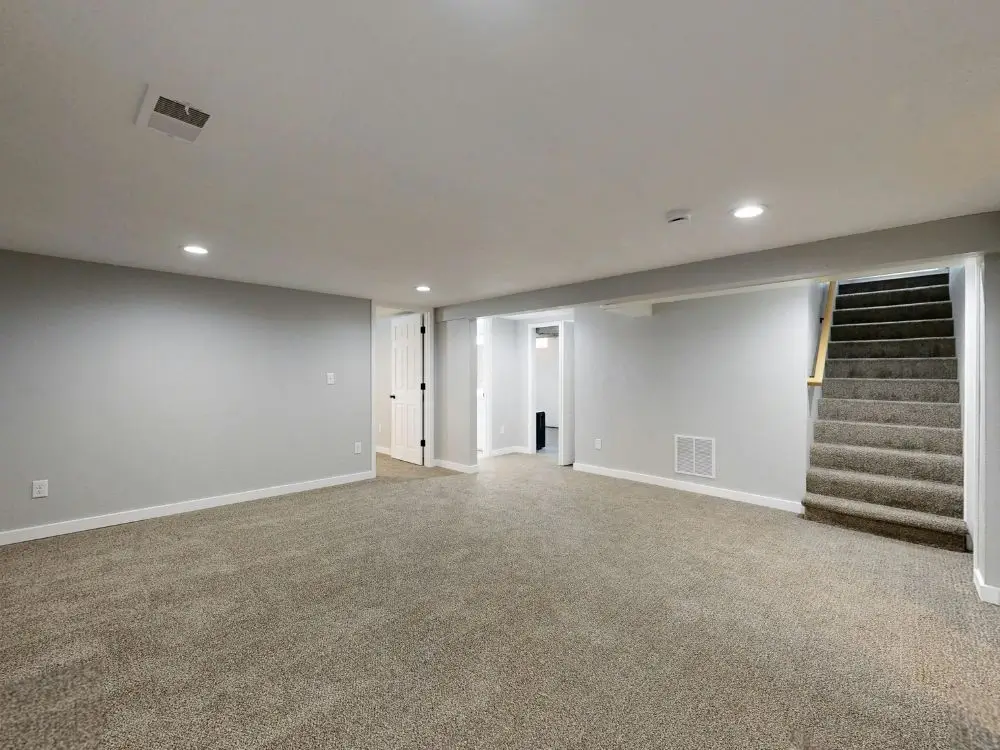
A basement remodeling project can transform unused space into one of the most functional areas of your home. Whether you want a finished basement for entertainment, work, or extra living space, careful preparation is essential. A clear basement remodel checklist helps homeowners stay organized, manage costs, and avoid common renovation mistakes.
Planning ahead also ensures that structural, safety, and moisture issues are addressed before construction begins. Many homeowners choose to consult a trusted basement remodeling contractor Long Island to review layout ideas, evaluate the existing structure, and confirm basement permit requirements and local building codes. Professional guidance can help prevent delays and keep the project on schedule.
In this guide, you will find a practical basement planning guide that walks through inspection, basement layout planning, budgeting, permits, and the key construction steps needed for a successful basement renovation.
Why You Need a Basement Remodel Checklist Before Starting
Starting a basement remodeling project without a clear plan can quickly lead to delays, budget overruns, and construction problems. A structured basement remodel checklist keeps the project organized from the first inspection to the final finishing stage. It helps homeowners move through the process step by step instead of making rushed decisions during construction.
A checklist also helps prevent expensive mistakes. Early checks such as moisture inspection, foundation inspection, and planning for basement waterproofing protect the structure before framing or drywall installation begins. Addressing these issues early reduces the risk of mold, water damage, and costly repairs later.
Planning ahead also makes it easier to manage the basement remodeling budget, layout, and materials. Reviewing building permits, local building codes, and design choices in advance ensures the project stays safe, compliant, and aligned with your renovation goals.
Step 1: Inspect Your Basement and Fix Moisture Problems
Before starting any basement remodeling, inspect the space carefully for moisture and structural issues. Water problems are one of the most common causes of damage in a finished basement, and ignoring them can ruin new flooring, drywall, and insulation. A proper basement structural inspection and moisture inspection help identify problems early so repairs can be completed before construction begins.
Check for water leaks and foundation issues
Look for visible signs of moisture around the basement. Common warning signs include:
Cracks in walls or floors during a foundation inspection
Damp spots or water stains on concrete surfaces
Musty odors that may indicate hidden moisture
Peeling paint or signs of mold prevention concerns
These issues often point to drainage problems that must be fixed before moving forward with the renovation.
Test humidity and ventilation
Basements naturally hold more humidity than other parts of the house. Poor airflow can trap moisture and lead to mold growth after the remodel is complete. Check the air quality and consider solutions such as:
Improving basement ventilation
Installing a dehumidifier system
Extending the home’s heating and cooling system to maintain balanced temperature and airflow
Proper ventilation protects finishes and keeps the space comfortable year-round.
Plan waterproofing solutions if needed
If moisture issues appear during the inspection, address them before framing walls or installing flooring. Reliable basement waterproofing methods may include:
Installing a sump pump system to remove groundwater
Adding a French drain system along the foundation
Improving exterior basement drainage solutions around the home
Taking these steps early protects the entire basement renovation. Moisture control ensures that insulation, flooring, and interior finishes remain durable and free from water damage for years to come.
Step 2: Define the Purpose of Your Basement
Before finalizing the layout or materials, decide how you want to use the space. The purpose of the basement shapes every major decision in the project, including basement layout planning, electrical wiring, lighting, and plumbing. Defining the goal early helps ensure the design supports comfort, functionality, and long term usability.
Living Room or Entertainment Area
Many homeowners convert their basement into a basement entertainment room or family lounge. This type of layout often focuses on open space, comfortable seating, and flexible lighting. Planning for basement lighting design, recessed lighting, and multiple basement outlets and switches allows you to support televisions, gaming systems, and sound equipment. Some homeowners also add features such as a home theater basement, built-in storage, or a small wet bar installation to create a space designed for relaxing and hosting guests.
Home Office or Guest Bedroom
A basement home office or basement guest bedroom requires more attention to privacy, lighting, and safety. Proper egress window installation is often necessary to meet emergency egress requirements and provide natural light. Electrical planning should include outlets for computers, lighting fixtures, and charging stations. Comfortable airflow is also important, so extending the home’s heating and cooling system or improving basement ventilation can make the room feel like a natural extension of the main living space.
Gym, Playroom, or Rental Space
Basements can also serve as a basement gym, basement playroom, or even a rental unit depending on the home layout and local regulations. These uses often require durable materials and thoughtful zoning. For example, a gym may benefit from moisture-resistant flooring and improved airflow, while a playroom may focus on open space and built-in storage. If the goal is a separate living area, you may also need basement plumbing rough-in, a basement bathroom addition, or even a laundry room in the basement to support everyday living.
Step 3: Plan the Basement Layout and Design
Proper basement layout planning ensures the space feels comfortable, functional, and easy to use. A clear layout also helps contractors place walls, wiring, and plumbing correctly during the renovation.
Measure the Basement and Ceiling Height: Measure the full space, including wall lengths, support columns, and ceiling height. Check local building codes and plan egress window installation if the basement will include a bedroom.
Plan Wall Placement and Room Layout: Decide where rooms, doors, and open areas will go before starting basement framing. A clear layout helps position stud walls, plumbing, and electrical wiring without costly changes later.
Include Storage and Easy Access: Plan practical basement storage solutions such as closets, shelving, or basement cabinetry. Leave enough walkway space so the basement remains open and easy to move through.
Plan Lighting and Natural Light: Basements often need stronger lighting to feel comfortable. Combine recessed lighting and LED basement lighting, and add windows when possible to bring in natural light.
Step 4: Check Building Codes and Permits
Most basement remodeling projects require building permits before construction begins. Permit rules vary by location, but they usually apply when you add new rooms, change structural elements, or install plumbing and electrical systems. Reviewing basement permit requirements early helps prevent delays, failed inspections, or penalties later in the project.
If the basement includes a bedroom or sleeping area, egress window installation is typically required to meet emergency egress requirements. These windows provide a safe exit during emergencies and allow natural light into the room. Proper safety planning may also include installing smoke detectors and carbon monoxide detectors to improve basement fire safety.
Electrical wiring, outlets, lighting, and plumbing work must follow local building codes and safety standards. For example, circuits must support the planned load, and plumbing systems must meet code requirements for drainage and ventilation. Consulting a licensed contractor or checking with the local building department helps ensure the basement renovation meets all regulations and passes the final inspection.
Step 5: Plan Electrical, Plumbing, and HVAC
Basements have different conditions than upper floors. They often have limited natural light, cooler temperatures, and higher humidity. Careful planning of electrical systems, plumbing, and HVAC ensures the space stays comfortable, functional, and safe after the remodel.
Electrical Outlets and Lighting Layout
Basements usually need more lighting because natural light is limited. Plan basement lighting design early so wiring can be installed before walls are closed. Many homeowners combine recessed lighting, LED basement lighting, and properly placed basement outlets and switches to support televisions, computers, and other electronics. It is also important to review electrical panel capacity to ensure the system can safely handle the additional load.
Plumbing for Bathrooms or Wet Bars
If your design includes a basement bathroom addition or entertainment area, plumbing must be planned before framing begins. This may involve a basement plumbing rough-in for drains, water supply lines, and vent pipes. Projects that include sinks, toilets, or a wet bar installation should follow proper code requirements to prevent drainage or ventilation problems later.
Heating, Cooling, and Air Circulation
Basements tend to be cooler and more humid than the rest of the home, so proper climate control is essential. Extending the home’s heating and cooling system or adding an HVAC extension to the basement helps maintain consistent temperature. Good basement ventilation and a dehumidifier system can also control moisture and improve air quality throughout the finished space.
Step 6: Frame Walls and Install Insulation
After the layout and mechanical systems are planned, the next stage is basement framing. Contractors build stud walls to define rooms and support drywall, doors, and storage features. Proper framing keeps walls straight, allows space for electrical wiring and plumbing lines, and ensures the structure remains stable during the renovation.
Insulation is just as important because basements are more exposed to moisture and temperature changes than upper floors. Many remodels use rigid foam insulation or spray foam insulation with proper vapor barrier installation to control humidity and improve energy efficiency. In multi room layouts, adding basement soundproofing between walls can also reduce noise and create quieter spaces for offices, bedrooms, or entertainment areas.
Step 7: Install Drywall, Ceiling, and Flooring
Once framing, wiring, and insulation are complete, the next stage is interior finishing. This step shapes how the basement looks and feels day to day. Choosing durable materials is important because basements often deal with higher humidity and cooler temperatures than the rest of the home.
Install drywall installation designed for basement conditions. Moisture resistant drywall helps protect walls from humidity and reduces the risk of mold or damage over time.
Choose practical basement ceiling options based on the space design. A drop ceiling allows easy access to pipes and wiring, while a drywall ceiling creates a cleaner, finished appearance.
Select durable basement flooring options that handle moisture and temperature changes. Many homeowners choose vinyl plank flooring, tile flooring, or laminate basement flooring because they are strong, easy to maintain, and work well in a finished basement.
Step 8: Add Finishing Touches
After the major construction work is complete, the final stage focuses on the details that make the basement comfortable and visually complete. These finishing elements improve usability and bring together all parts of the renovation.
Basement painting is usually one of the first finishing tasks. Using moisture-resistant paint helps protect walls in areas where humidity may still fluctuate. Neutral colors often make the space feel brighter and larger, especially in basements where natural light may be limited.
Lighting installation is also completed during this stage. Contractors connect basement lighting fixtures, finalize switches and outlets, and test all electrical components. Proper lighting placement improves visibility and helps each area of the basement serve its purpose, whether it is a workspace, entertainment room, or guest area.
Trim work and storage features complete the interior finishing process. Installing trim and molding, basement door installation, and built-in basement storage solutions such as shelving or basement cabinetry adds function and gives the basement a polished, finished appearance.
Common Basement Remodeling Mistakes to Avoid
Even a well planned basement remodeling project can run into problems if key steps are overlooked. Understanding the most common mistakes helps homeowners protect their investment and avoid costly repairs later.
Ignoring Moisture Problems
Moisture is one of the biggest risks in a basement. Starting a basement renovation without proper inspection or basement waterproofing can lead to mold, damaged drywall, and flooring failure. Always address leaks, drainage issues, and humidity control before installing insulation, walls, or flooring.
Skipping Permits
Many homeowners try to save time by avoiding building permits, but this can cause serious problems during inspections or when selling the home. Most projects must follow basement permit requirements and local building codes, especially when adding bedrooms, bathrooms, or electrical systems.
Poor Lighting Planning
Basements typically receive less natural light than upper floors. Without a clear basement lighting design, the finished space can feel dark and uncomfortable. Planning for recessed lighting, LED basement lighting, and properly placed outlets helps create a bright and functional environment.
Underestimating the Budget
Unexpected issues such as moisture damage, plumbing upgrades, or structural repairs can increase the basement remodeling cost. Setting a realistic basement remodeling budget and keeping a contingency fund helps prevent delays and ensures the project stays on track.
For more tips on avoiding costly mistakes during home renovations, see our top home remodeling mistakes to avoid guide.
Quick Basement Remodel Checklist
A simple basement remodel checklist helps homeowners track each stage of the project and stay organized from planning to final finishing. Use this quick summary as a reference while preparing for your basement remodeling project.
- Inspect the basement for moisture and structural issues
- Fix leaks and complete basement waterproofing if needed
- Define the purpose of the finished basement
- Plan the layout, room placement, and measurements
- Review building permits and local building codes
- Plan electrical wiring, plumbing lines, and the heating and cooling system
- Complete basement framing and install insulation
- Finish walls with drywall installation and choose ceiling options
- Install durable basement flooring options suitable for moisture conditions
- Complete interior finishing such as basement painting, lighting fixtures, and trim work
Frequently Asked Questions
What are the first steps in a basement remodel checklist?
Start by inspecting the basement for moisture, leaks, or foundation issues. Fix any water problems and plan basement waterproofing if needed. Next, define the purpose of the basement, plan the layout, and review building permits and local building codes before starting construction.
How much does a basement remodel cost on average?
The basement remodeling cost depends on size, materials, and project scope. On average, homeowners in Long Island and New York City spend between $30 and $75 per square foot for a finished basement, including insulation, drywall, flooring, lighting, and minor plumbing or electrical upgrades. Adding a bathroom or custom features can increase the total cost.
What should I check for ceiling height and egress in a basement remodel?
Measure ceiling height to ensure it meets local building codes, with most areas requiring at least 7 feet. Plan for proper egress windows or doors in bedrooms and living spaces for safety and code compliance. Egress provides emergency exits and brings in natural light, making the basement safer and more comfortable.
What materials are best for a moisture-prone basement?
Use moisture-resistant drywall, rigid foam or spray foam insulation, and vapor barrier installation. For flooring, choose vinyl plank flooring, tile flooring, or laminate basement flooring rated for high humidity. Paint walls with moisture-resistant paint to prevent mold and water damage.
How long does a full basement remodel take?
A full remodel usually takes 8 to 12 weeks. Timing depends on basement size, number of rooms, installation of plumbing or electrical systems, and drying or curing times for insulation, drywall, and flooring. Proper planning helps keep the project on schedule.
What are the final steps in a basement remodel checklist?
Complete interior painting, install basement lighting fixtures, and add trim and doors. Include storage solutions or built-in shelving. Conduct a final inspection to ensure plumbing, electrical, and HVAC systems work correctly. This ensures the basement is safe, functional, and ready for use.
Conclusion
A successful basement remodeling project starts with careful planning and clear priorities. Inspect the space, address moisture issues, define how the room will be used, and plan the layout, materials, and systems before construction begins. Taking time to follow a structured basement remodel checklist helps prevent delays, control costs, and ensure the finished space remains comfortable and durable for years.
Many homeowners also benefit from professional guidance during the planning and construction stages. Working with an experienced remodeling contractor in Long Island can help ensure the design meets local building codes, the structure is safe, and every phase of the project stays organized. Basement remodeling creates extra living space, improves daily comfort, and increases the overall value of the homes.