
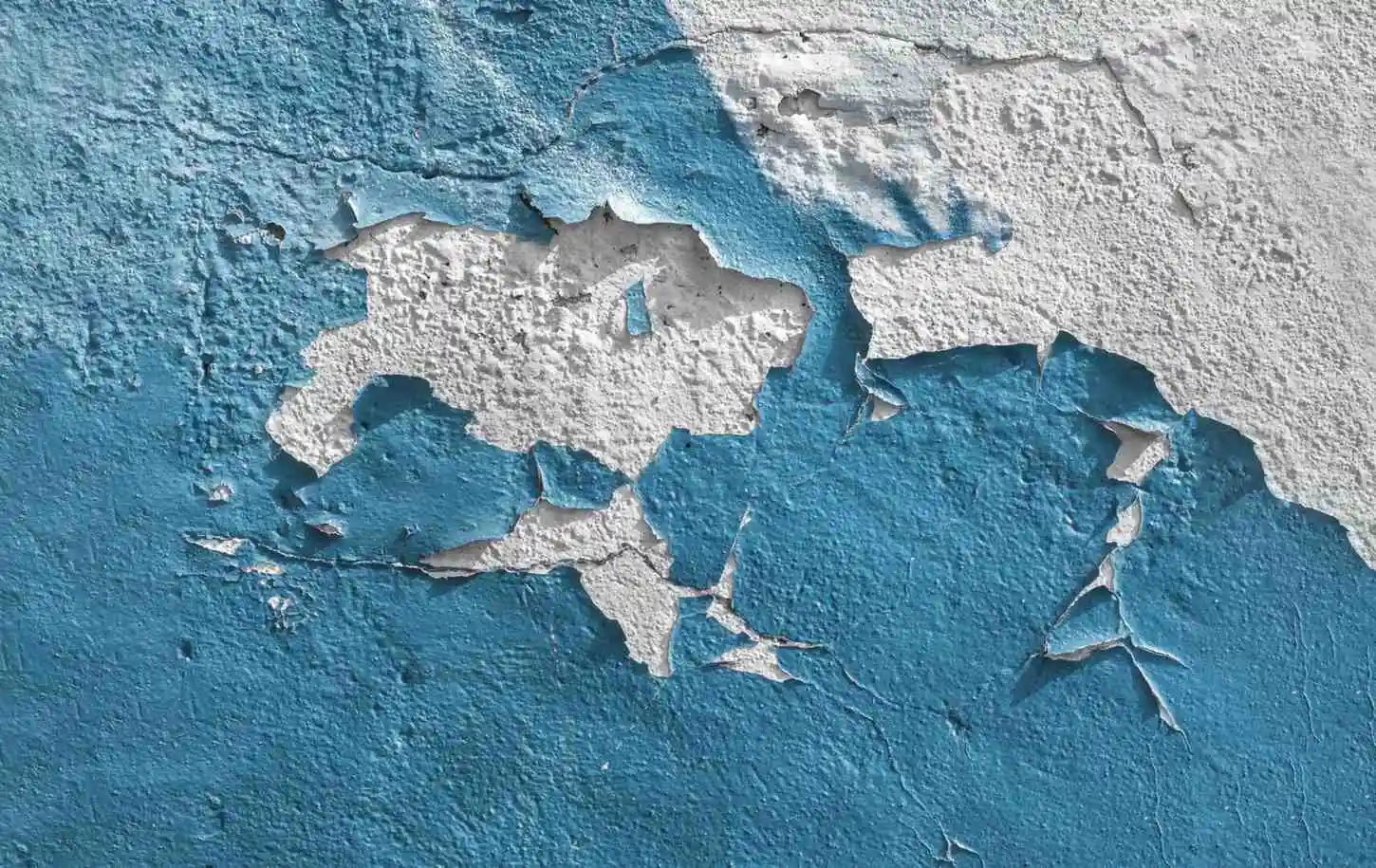
Peeling paint is one of those problems homeowners patch over and hope for the best. The patch looks fine for a few months, then the same spot starts lifting again. That cycle keeps repeating because the paint was fixed but the cause was not.
Most paint peeling problems in Long Island homes come down to moisture, surface preparation, or the wrong product for the job. If you are dealing with recurring peeling and want it handled properly the first time, working with experienced house painters in Hewlett takes the guesswork out of the process.
This guide walks through the main causes of peeling paint, how to diagnose which one you are dealing with, and how to fix it so it stays fixed.
What Causes Paint to Peel Off Walls?
Peeling paint is almost never just a paint problem. In most cases, something went wrong with the surface underneath, the preparation before painting, or the conditions the paint was applied in.
Moisture is the most common cause. When water gets behind a painted surface, whether from a leak, condensation, or high indoor humidity, it weakens the bond between the paint film and the wall. The paint lifts, bubbles, and eventually peels away. The wall can look completely fine until the damage is already done.
Poor surface preparation is the second major cause. Paint needs a clean, stable surface to bond to. Painting over dust, grease, gloss, or loose old paint gives the new coat nowhere to grip. It may look good initially, but it will start failing within months.
Incompatible or expired paint products cause adhesion failure too. Applying a water-based paint directly over an oil-based coat without the right primer is a common mistake that leads to peeling. Paint that has passed its shelf life loses its binding properties before it ever goes on the wall.
Finally, too many accumulated layers create an unstable surface. When old paint builds up over decades, the combined weight and movement of those layers eventually causes the whole system to fail.
How to Tell What Is Causing Your Paint to Peel
The way paint fails tells you a lot about why it is failing. Before reaching for filler and a brush, take a close look at what the peeling actually looks like.
If the Paint Is Bubbling or Blistering
Bubbles and blisters form when moisture gets trapped beneath the paint film and has nowhere to go. As it warms, it expands and pushes the paint away from the surface. This pattern almost always points to a moisture source, either water getting in from outside, condensation building up on a cold wall, or high indoor humidity that the paint cannot handle. Fixing the bubbles without addressing the moisture source will not solve anything.
If the Paint Is Peeling in Large Sheets
When paint lifts and comes away in wide strips, almost like wallpaper peeling off a wall, the problem is adhesion failure. The paint never properly bonded to the surface beneath it. This typically happens when new paint was applied over a glossy finish without sanding, over a dirty or greasy wall, or directly over an incompatible previous coat without primer. The paint cured fine, it just had nothing solid to hold onto.
If the Paint Is Flaking or Crumbling
Small flakes and powdery crumbling usually point to age, instability, or a substrate issue. Multiple old layers breaking down together, expired paint that lost its binding strength before it was applied, or paint put onto new plaster that had not fully cured are the most common explanations. The surface itself is unstable, and any new paint applied on top will fail the same way until that underlying issue is resolved.
Why Is Paint Peeling Off My Bathroom Walls?
Bathrooms are the most common room in any home for paint failure, and the reason is straightforward. Every shower fills the room with steam. That steam condenses on walls and ceilings, and if ventilation is poor, the surface stays damp for extended periods. Standard interior paint is not built to handle that level of sustained moisture, and it starts to bubble and peel relatively quickly.
The fix has two parts, and both matter equally. First, address the ventilation. An exhaust fan that is undersized or vented incorrectly will keep the humidity problem going regardless of what paint you use. Run the fan during every shower and for at least 20 minutes afterward.
Second, use a paint formulated specifically for high-humidity spaces. Moisture-resistant and bathroom-specific paint formulations create a harder, less permeable film that holds up where standard interior paint fails. Repainting with the right product over a poorly ventilated bathroom will still peel. Both problems need to be solved together.
Why Is Paint Peeling Off New Plaster Walls?
Fresh plaster contains a significant amount of water. That moisture needs to evaporate fully before any paint goes on, and that process takes time, typically four to six weeks depending on the thickness of the plaster, room temperature, and airflow. Painting too soon seals the surface before the moisture has escaped. That trapped moisture then pushes outward as it tries to evaporate, taking the paint film with it.
The correct preparation step before painting new plaster is a mist coat. This is a heavily diluted paint mix, usually around 70% paint to 30% water, that soaks into the plaster rather than sitting on top of it. It seals the surface gradually and gives subsequent coats something stable to bond to. Skipping the mist coat and going straight to full-strength paint is one of the most common reasons new plaster walls peel within weeks of being painted.
How to Fix Peeling Paint on Walls
Getting a lasting repair means working through each step properly. Skipping steps to save time is the reason most paint repairs fail again within a season.
Remove All Loose and Flaking Paint
Start by removing every piece of paint that is not firmly bonded to the wall. Use a scraper or putty knife and work outward from the damaged area until you reach paint that is solid and not lifting at the edges. Do not paint over anything that feels soft, spongy, or loose. If it moves at all, it needs to come off.
Sand and Feather the Edges
Once the loose paint is removed, the edges where old paint meets bare wall will be raised and sharp. Sand those edges down until the transition is smooth and gradual. This process, called feathering, prevents the repair from showing as a visible ridge once new paint is applied. Use medium-grit sandpaper and work in a circular motion.
Repair Cracks and Holes
Fill any cracks, holes, or damaged areas with a suitable filler or joint compound. Apply in thin layers, allowing each one to dry fully before adding the next. Trying to fill deep damage in a single thick application leads to cracking as the filler dries and shrinks.
Clean the Surface
Wipe down the entire area with a damp cloth to remove dust, sanding residue, and any grease or grime. Paint will not bond properly to a dirty surface regardless of how well everything else was prepared. Allow the wall to dry completely before moving on.
Prime Before You Paint
Apply a coat of primer to the repaired area before any finish paint goes on. Primer seals the surface, evens out porosity between the repaired patch and the surrounding wall, and gives the finish coat a consistent base to bond to. Skipping primer is one of the most common reasons repairs fail to blend in and hold long term.
Apply the Finish Coat
Once the primer is fully dry, apply your finish coat. Use thin, even layers rather than one heavy application, and allow proper drying time between coats. If the repair is on an exterior wall, paint selection matters as much as technique. Choosing the right product for the surface and the exposure it faces is just as important as the preparation work that came before it. For guidance on that decision, this post on how to choose the right exterior paint colors covers what to look for when selecting exterior paints and finishes for Long Island homes.
Does Peeling Paint Always Mean There Is Mold?
Peeling paint does not always mean there is mold, but moisture-driven peeling creates exactly the conditions mold needs to grow. If the cause of the peeling is humidity or water intrusion, mold may already be present behind the surface even if nothing is visible from the front.
Look for dark spots, discoloration, or a musty smell in the area where the paint is failing. Mold behind a wall often stays hidden until the paint is removed. If the peeling is limited to one isolated patch with no history of moisture in that area, adhesion failure is the more likely explanation.
Any time peeling is accompanied by a persistent smell, visible dark staining, or a known history of water damage in that part of the wall, a professional assessment is worth doing before any repainting begins.
How to Prevent Paint from Peeling Again
The repair only holds if the conditions that caused the peeling are corrected first. Repainting over an unresolved moisture problem or skipping preparation steps produces the same result every time.
These are the four steps that determine whether a paint job lasts:
- Fix any leaks, condensation, or humidity issues before repainting, not after
- Always prime bare and repaired surfaces before applying a finish coat
- Use moisture-resistant paint in bathrooms and kitchens, not standard interior paint
- Apply two thin coats with full drying time between them, never one thick application
None of these steps are complicated, but leaving any one of them out is usually what brings homeowners back to the same peeling problem a few months later.
Frequently Asked Questions
How long does interior paint last before it starts peeling?
Interior paint on properly prepared surfaces typically lasts 5 to 10 years before showing signs of wear. Paint in high-humidity rooms like bathrooms may need attention sooner, sometimes within 3 to 5 years, if ventilation is poor or the wrong product was used.
Is peeling paint a health hazard?
In homes built before 1978, peeling paint may contain lead, which is a serious health risk particularly for young children. If your home is older and paint is peeling, do not sand or scrape it yourself without first testing for lead. EPA Lead Safe certified contractors are trained to handle lead paint safely during renovation work.
Can weather cause exterior paint to peel?
Yes. Repeated exposure to rain, humidity, and temperature swings weakens the bond between exterior paint and the surface over time. On Long Island, the combination of humid summers and cold winters accelerates this process, making proper surface preparation and a quality exterior primer essential for any lasting outdoor paint job.
How many coats of paint does it take to cover a repaired patch?
Most repairs need a coat of primer followed by two finish coats to blend in properly with the surrounding wall. Applying only one finish coat often leaves the patch visibly different in sheen and texture, especially under natural light.
Should I hire a professional or fix peeling paint myself?
Small isolated patches are manageable as a DIY repair if the cause has been identified and resolved. Widespread peeling, recurring failure in the same areas, or any situation involving moisture damage or suspected lead paint are better handled by a professional to ensure the repair is done correctly and safely.
Does humidity affect how long fresh paint takes to dry?
Yes. High humidity slows the evaporation process that allows paint to cure properly. In humid conditions, applying a second coat too soon traps moisture in the first layer, which weakens adhesion and increases the risk of peeling. Ideal painting conditions are between 50% and 70% relative humidity with good airflow.
Conclusion
Peeling paint is always telling you something. It might be moisture working its way through the wall, a preparation step that was skipped, or the wrong product used for the conditions. Whatever the cause, patching over it without addressing the root problem means the same spot will be peeling again before long.
Start by identifying what type of failure you are dealing with, fix the underlying cause, and follow the preparation steps properly before any new paint goes on. That sequence is what makes the difference between a repair that holds and one that does not.
If the peeling is widespread, keeps coming back, or involves suspected moisture damage, it is worth getting a professional eye on it. Reach out to trusted house painters to assess the problem and get it resolved correctly.