
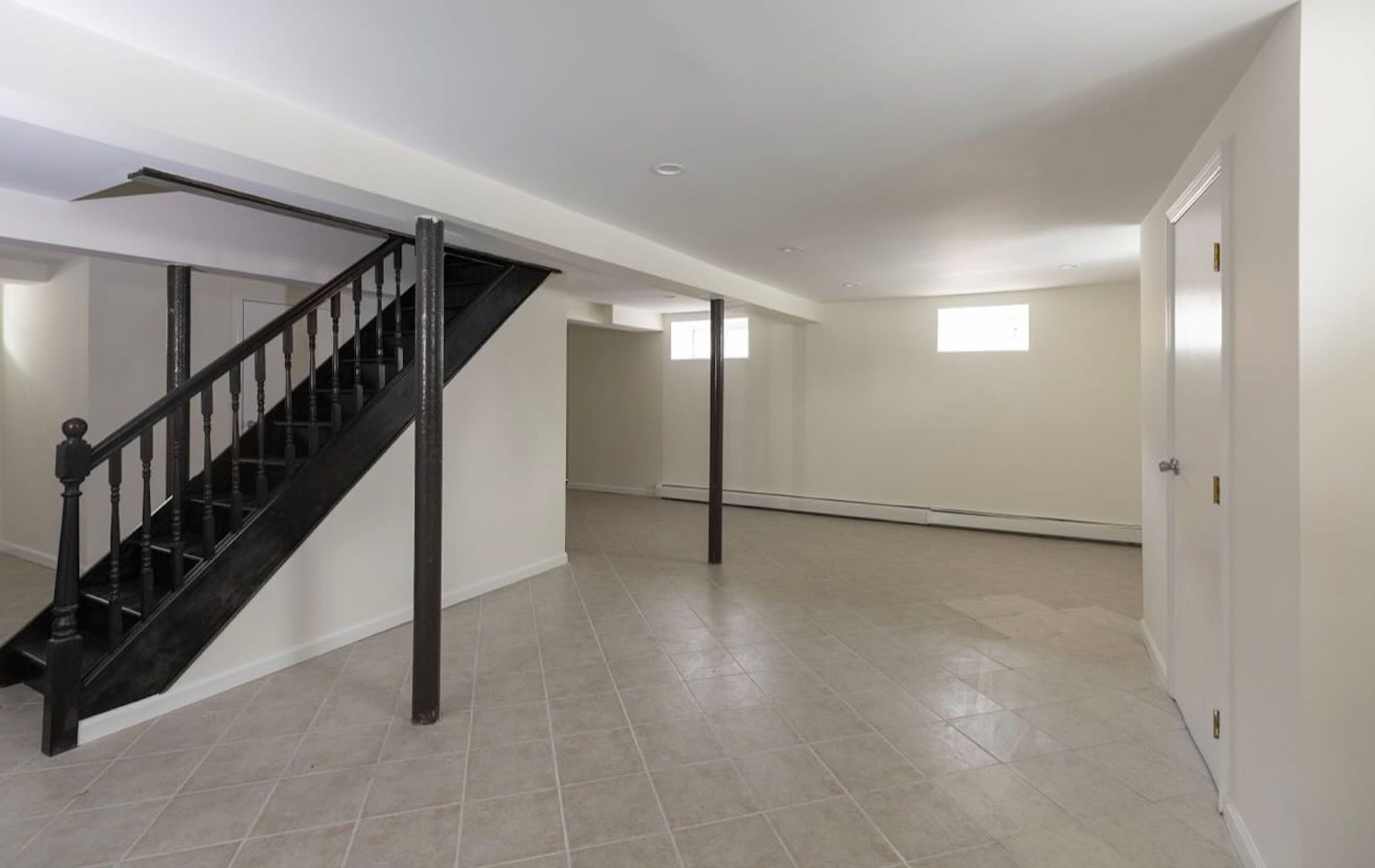
That stale, earthy odor coming from your basement is easy to ignore at first. But it does not go away on its own, and in most cases, it is pointing to a real moisture problem underneath the surface.
Many homeowners in Long Island deal with this exact issue, especially in older homes where basement waterproofing was never a priority. If you are already thinking about addressing the space properly, working with experienced home remodeling contractors in Rockville Centre can help you understand what is driving the problem and what it will take to fix it for good.
This guide covers the main causes of a musty basement smell, what the warning signs look like, and how to get rid of it.
What Causes a Musty Smell in a Basement?
The smell itself comes from mold and mildew. As these organisms grow, they release gases called microbial volatile organic compounds, or mVOCs. Those gases are what you are actually smelling when a basement has that distinctive damp, earthy odor.
Mold does not need a visible leak to get started. Basements naturally hold more moisture than the rest of the house because they sit below grade, stay cooler, and have limited airflow. When warm air from the upper levels drifts down and meets cooler basement surfaces, it condenses. That condensation on walls, pipes, and floors creates exactly the damp conditions mold needs to grow.
High indoor humidity is another common driver. If basement humidity consistently stays above 60%, mold and mildew can establish themselves even without any water intrusion. Poor ventilation traps that humid air and makes the problem worse over time.
Organic materials speed up the process. Mold feeds on wood framing, drywall, carpet, cardboard boxes, and stored fabric items. Basements used for storage are often more prone to odor problems because there is more material for mold colonies to grow on, and less airflow to dry things out.
In short, the musty smell is a symptom. Moisture and poor ventilation are almost always the cause.
My Basement Is Dry but Still Smells Musty. Why?
This is one of the most common questions homeowners ask. You check for leaks, nothing looks wet, but the smell is still there.
The most likely explanation is that mold colonies already formed during a past period of high humidity, and the mVOCs they released have been absorbed into surrounding materials. Drywall, wood framing, and concrete are all porous. They hold onto odors long after the moisture that caused the problem is gone.
Mold can also grow inside walls or underneath flooring where it is completely hidden from view. A basement can look and feel dry on the surface while an active mold problem continues somewhere you cannot see.
Summer months make this worse. As outdoor humidity rises, basement humidity climbs with it, which is why the smell often returns or intensifies every year around the same time.
Is It Safe to Live in a House with a Musty Basement?
Living in a house with a musty basement carries real health risks, particularly with prolonged exposure. Mold spores travel through the air and can reach the upper levels of your home through doorways, stairwells, and your HVAC system. Over time, breathing in mold spores and mVOCs can aggravate asthma, trigger allergic reactions, and cause symptoms like persistent coughing, congestion, and headaches.
People with respiratory conditions, young children, and older adults tend to be more sensitive to these effects. However, even healthy individuals can experience symptoms after extended exposure in a heavily affected space.
As a general guideline, visible mold growth covering more than 10 square feet is beyond what household cleaning products can safely handle. That level of growth requires professional mold remediation, not a spray bottle of vinegar and a sponge.
If anyone in your home is experiencing unexplained respiratory symptoms, consulting a doctor and having your basement inspected professionally are both worth doing sooner rather than later.
Signs of Moisture Problems in Your Basement
A musty smell is often the first warning, but it is rarely the only one. Basements with moisture problems usually show physical signs that are easy to spot once you know what to look for.
Walk through your basement and check for any of the following:
- Water stains on walls or floors, even old ones that look dried out
- Efflorescence, the white powdery deposits that appear on concrete when water moves through it and evaporates
- Visible mold or dark spots on walls, ceiling, framing, or stored items
- Condensation on cold pipes, walls, or window frames
- Peeling paint or bubbling drywall, which usually means moisture is pushing through from behind
Finding one of these does not always mean a serious problem. Finding several of them together usually does. The more signs present, the more likely it is that moisture has been building up for some time and needs to be addressed properly.
How to Get Rid of a Musty Smell in Your Basement
Getting rid of the smell starts with addressing what is causing it. Odor masking products and air fresheners will not solve anything. Work through these steps in order, starting with moisture control before moving to cleaning and odor removal.
Control Humidity First
The target humidity range for a basement is between 30% and 50%. Anything consistently above that creates conditions where mold and mildew can thrive. A dehumidifier is the most reliable way to bring humidity down and keep it there.
Place the unit in the area of the basement with the least airflow, typically the center of the space or near the dampest wall. Empty the reservoir regularly or connect a drain hose so it runs continuously without interruption. If you are also dealing with flooring that has absorbed moisture over time, it is worth looking into basement flooring options that handle moisture well before replacing anything.
Improve Airflow and Ventilation
Stagnant air allows humidity to build up and gives mold a better environment to grow. Open basement windows when outdoor humidity is low, typically on dry days rather than humid summer afternoons. Box fans placed near windows help push stale air out and pull fresh air in.
Check that any HVAC vents serving the basement are fully open and not blocked by stored items. Vents clogged with dust restrict airflow and reduce the system’s ability to regulate temperature and humidity in the space.
Clean Mold and Mildew from Surfaces
For small areas of visible mold under 10 square feet, undiluted white vinegar applied directly to the surface is an effective option. Let it sit for at least an hour before scrubbing and wiping clean. Keep the space ventilated while you work.
Never mix vinegar and bleach. The combination produces harmful fumes and is dangerous in an enclosed space like a basement. For mold growth beyond 10 square feet, stop and call a professional mold remediation specialist instead of attempting to handle it yourself.
Eliminate Odor-Trapping Materials
Old carpet, damp cardboard boxes, and stored fabric items absorb mVOCs and hold onto them even after the moisture source is gone. Removing these materials often produces a noticeable improvement in the smell on its own. Replace cardboard storage boxes with sealed plastic bins, which do not absorb moisture or odors.
Use Odor Absorbers as a Short-Term Measure
Activated charcoal and baking soda can help reduce odor intensity while you work through the steps above. Place open containers of either material around the basement and replace them every few weeks. These are useful tools for managing the smell in the short term, but they do not address the underlying moisture or mold problem driving it.
Long-Term Fixes to Prevent the Musty Smell from Returning
Controlling humidity and cleaning visible mold handles the immediate problem. Preventing it from coming back requires addressing how water and moisture are getting into the space in the first place.
Start outside the home. Gutters and downspouts should direct water at least six feet away from the foundation. If the ground around your home slopes toward the house rather than away from it, water pools against the foundation wall every time it rains. Regrading the soil around the perimeter is one of the most effective and overlooked fixes for chronic basement moisture.
Inside, seal any visible cracks in basement walls and floors using a hydraulic cement or masonry sealer. Installing a vapor barrier over concrete floors and exposed walls reduces the amount of ground moisture that enters the space. For homes with persistent water intrusion, interior or exterior waterproofing systems provide more comprehensive protection.
Here is a quick breakdown of what homeowners can typically handle themselves versus what is better left to a contractor:
| Fix | DIY or Contractor |
|---|---|
| Sealing small wall or floor cracks | DIY |
| Regrading soil around foundation | Contractor |
| Installing a vapor barrier | DIY with preparation |
| Gutter cleaning and downspout extension | DIY |
| Interior drainage system or sump pump | Contractor |
| Exterior waterproofing membrane | Contractor |
When to Call a Professional
Some basement moisture and odor problems are beyond what DIY fixes can resolve. Knowing when to stop and bring in a professional saves time and prevents the problem from getting worse.
The clearest signal is visible mold growth covering more than 10 square feet. At that scale, surface cleaning is not enough. Mold at that level has typically spread into surrounding materials and requires proper containment, removal, and treatment by a certified mold remediation specialist.
The second scenario is a persistent smell that does not improve after you have controlled humidity, improved ventilation, cleaned visible mold, and removed odor-trapping materials. If the smell remains, mold is likely growing somewhere hidden, inside a wall cavity, under flooring, or in insulation, and finding it requires professional inspection tools like moisture meters and thermal imaging.
Visible water intrusion or structural cracks in foundation walls are the third scenario. These are not maintenance issues. They point to a drainage or structural problem that needs proper assessment before any interior work makes sense.
Frequently Asked Questions
How do I get rid of the musty smell in the basement?
Start by bringing humidity down to between 30% and 50% using a dehumidifier. Then improve ventilation, clean any visible mold with white vinegar, and remove materials like old carpet or cardboard that trap odors. If the smell persists after these steps, the mold is likely hidden inside walls or under flooring and needs professional inspection.
Can a basement smell musty and not have mold?
Yes. A basement can smell musty without visible mold because mold often grows inside wall cavities, under flooring, or in insulation where it cannot be seen. Stored organic materials like cardboard, fabric, and wood also absorb and release mVOCs over time, producing a musty odor even when no active mold growth is visible on surfaces.
Why does my basement smell musty all of a sudden?
A sudden musty smell usually means humidity levels have recently risen enough to trigger new mold or mildew growth. This commonly happens at the start of summer when outdoor humidity climbs, after a heavy rain event, or following a slow leak from a pipe or appliance that went unnoticed for some time.
Why is my basement damp even without visible leaks?
Condensation is the most common cause. Warm humid air from the upper levels of the home moves into the cooler basement and condenses on walls, pipes, and floors. This process happens continuously during humid months and creates enough moisture for mold to grow without any actual water intrusion from outside.
How do I know if my basement smell is mold or just mildew?
Both produce a musty odor, but mildew typically stays on surfaces and is easier to clean, while mold penetrates deeper into materials. If surface cleaning with vinegar removes the smell and it does not return, mildew was likely the cause. If the smell persists or keeps coming back, mold growing inside the structure is the more likely explanation.
What humidity level should I keep my basement at to prevent musty smells?
Keep basement humidity between 30% and 50%. Above 60%, mold and mildew can establish themselves relatively quickly, even without any visible water source. A hygrometer, which costs under $20 at most hardware stores, lets you monitor basement humidity accurately so you know when your dehumidifier needs to run more frequently.
Conclusion
A musty basement smell is not something to get used to. It is a signal that moisture or mold is present, and the longer it goes unaddressed, the more damage it can cause to your home and the people living in it.
Start with the basics: bring humidity down, improve airflow, clean visible mold, and remove materials that trap odors. Those steps resolve a large number of basement odor problems on their own. If the smell persists after working through them, hidden mold or a structural moisture issue is likely involved and needs professional attention.
If you are in the Long Island area and need an assessment, reach out to a trusted basement remodeling contractor to get a clearer picture of what your basement needs.