A bathroom remodel is one of the most significant investments you can make in your home. Every decision, from the layout and storage to the materials and finishes, affects daily comfort, functionality, and long-term value. Planning ahead helps you avoid costly mistakes and ensures the finished space meets both your needs and style goals.
In this guide, you will learn key factors to consider before starting a remodel, including layout optimization, material selection, and plumbing and electrical planning. Working with a trusted home remodeling company Valley Stream NY can ensure your project runs smoothly, stays on budget, and results in a bathroom that combines style, function, and lasting value.
1. Plan Your Layout and Space Carefully
Measure Your Bathroom Accurately
Accurate measurements are the foundation of a successful remodel. Measure walls, doorways, and ceiling height, and take note of plumbing and electrical locations. Knowing your space precisely helps avoid ordering the wrong fixtures or materials and ensures a smooth installation. Small bathrooms, in particular, benefit from careful planning to maximize every inch.
Consider Traffic Flow and Accessibility
Think about how you move through your bathroom daily. Position the vanity, toilet, and shower so the space feels open and comfortable. For families or aging-in-place design, consider accessibility layouts like curbless showers, grab bars, and wider doorways. Planning traffic flow early prevents awkward layouts that can make the space feel cramped or inefficient.
Decide Between Full Bath, Half Bath, or Wet Room
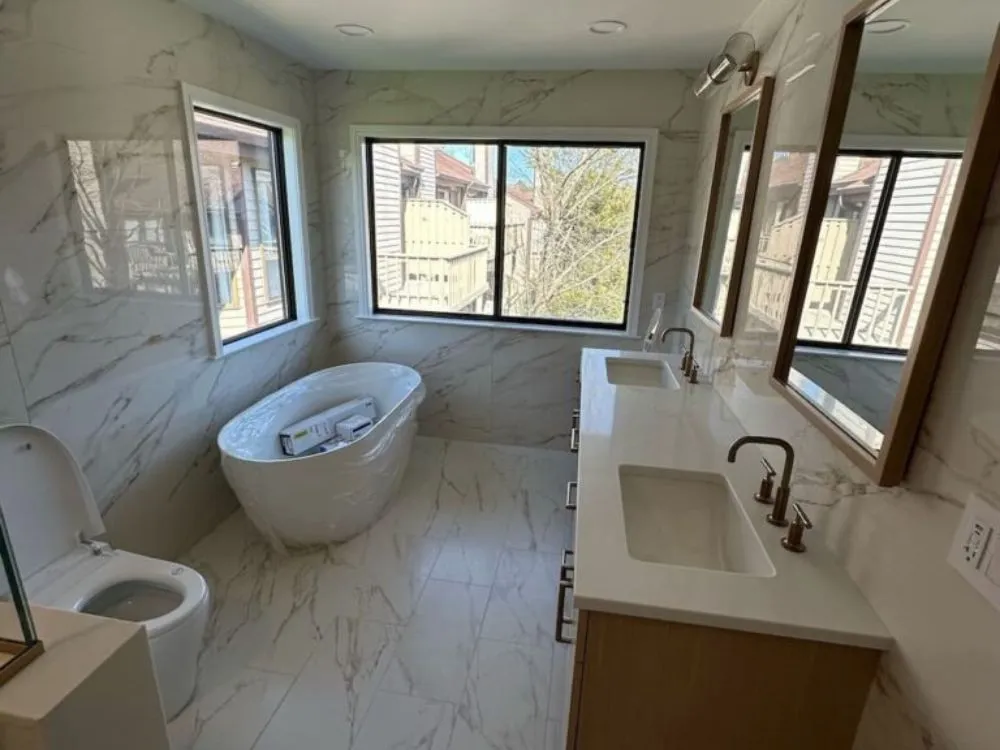
Determine the type of bathroom that fits your home and lifestyle. A master bathroom renovation may include a double vanity, soaking tub, and walk-in shower, while a powder room remodel focuses on functionality in a smaller space. Some homeowners explore wet room concepts to make a small bathroom feel more open. Defining the type of bathroom helps guide your floor plan, storage solutions, and fixture selection.
2. Budget and Cost Planning
Proper budgeting ensures a smooth bathroom remodel without surprises. Plan for labor, materials, permits, and inspections, and set aside 10 to 20 percent for unexpected repairs like plumbing or water damage. Thoughtful budgeting helps you make informed choices without sacrificing quality.
Data from Statista shows that 61 percent of master bathroom remodels in the United States in 2024 focused on system upgrades such as plumbing and electrical, highlighting the importance of allocating funds for essential infrastructure early in the planning stage.
Set a Realistic Budget
Include all costs upfront and add a contingency for hidden issues. This keeps your project on track and prevents costly delays.
Prioritize High-Impact Upgrades
Invest in durable cabinets, flooring, and fixtures that improve daily use and home value. Avoid over-improving beyond neighborhood standards to balance style, comfort, and resale potential.
3. Choose the Right Materials and Finishes
Selecting durable, moisture-resistant materials ensures your bathroom looks great and lasts for years. Focus on flooring, surfaces, walls, and fixtures that combine style with practicality.
- Flooring – Porcelain or ceramic tiles are long-lasting and easy to clean. Luxury vinyl or waterproof laminate adds comfort and simple installation.
- Countertops & Vanities – Quartz and granite offer durability, while floating vanities save space. Choose styles that match your layout and personal taste.
- Wall Finishes – Waterproof paint, ceramic tile, or moisture-resistant panels protect walls from damage while adding visual appeal.
- Fixtures & Hardware – Chrome, brushed nickel, or matte black fixtures combine style with durability. Quality plumbing and hardware prevent future repairs.
4. Plumbing and Electrical Considerations
Proper planning of sinks, toilets, tubs, and showers ensures comfort, smooth traffic flow, and functional daily use. For larger bathrooms, double vanities or separate wet areas can make routines easier and improve overall convenience.
Accessible shut-off valves and plumbing access behind vanities make maintenance simple and prevent costly water damage. Planning for future repairs now saves time and frustration later.
Electrical safety is essential. Install GFCI outlets near water sources, plan layered lighting for vanities and showers, and consider wiring for smart features or heated floors. Consulting a licensed bathroom remodeling contractor ensures safe, reliable installation and avoids common DIY pitfalls.
5. Storage and Organization
Cabinets, Drawers, and Shelving
Efficient storage keeps a bathroom functional and clutter-free. Choose cabinets and drawers that fit your space and daily needs. Vertical storage, such as tall cabinets or floating shelves, can make even a small bathroom feel organized. Durable materials help your storage solutions last while maintaining style.
Built-in Niches for Toiletries
Recessed niches in showers or near vanities are a smart way to store essentials without crowding countertops. Properly planned niches keep shampoo, soap, and other items within reach while maintaining a clean, minimalist look. This simple feature improves usability and reduces the risk of water damage from cluttered surfaces.
Hooks, Towel Bars, and Robe Racks
Small details matter. Install hooks, towel bars, and robe racks into reinforced wall blocking to prevent fixtures from pulling out over time. Planning these placements during construction ensures functionality, durability, and convenience for daily use. Properly installed hardware makes a bathroom feel polished and well thought-out.
6. Lighting and Ventilation
Proper lighting and ventilation are essential for a comfortable, functional, and long-lasting bathroom. Thoughtful placement enhances daily routines while protecting surfaces from moisture damage. Consider layering artificial and natural light to create both practicality and ambiance.
- Layered Lighting – Combine vanity, ceiling, and recessed lights to ensure even illumination for grooming, showers, and overall ambiance. Adjustable lighting adds flexibility for different tasks.
- Exhaust Fans – Install correctly sized fans vented outdoors to control humidity, prevent mold, and protect walls, ceilings, and fixtures from moisture damage.
- Natural Light – Use windows, skylights, or frosted glass panels to brighten the space naturally. Natural light makes the room feel larger while reducing energy costs.
7. Comfort and Luxury Upgrades
Heated Floors and Towel Warmers
Small upgrades can make a big difference in daily comfort. Heated floors create a cozy feel underfoot, especially in colder months, while towel warmers keep linens dry and inviting. Both features improve your bathroom’s usability and add a touch of luxury without overwhelming your budget.
Bidets and Smart Toilets
Modern toilets go beyond basic functionality. Bidets and smart toilets offer hygiene, convenience, and efficiency. Features like heated seats, adjustable water pressure, and dual-flush systems can enhance comfort while supporting water conservation.
Walk-in Showers vs Bathtubs
Deciding between a walk-in shower or a bathtub depends on space, lifestyle, and long-term needs. Walk-in showers are ideal for accessibility, easy cleaning, and a contemporary look. Bathtubs, including freestanding or soaking models, provide a spa-like experience and can be a key feature in master bathroom renovations.
Mirrors, Lighting, and Accessories
Functional accessories make a bathroom practical and enjoyable. Lighted mirrors, adjustable vanity lighting, and well-placed hooks or shelving enhance daily routines. Planning these elements during the remodel ensures that form and function work together seamlessly.
8. DIY vs Hiring a Professional
Some bathroom remodel tasks are well-suited for homeowners, such as painting, installing simple shelving, or swapping out hardware. These smaller projects can save money and give you a sense of accomplishment. More complex work, including plumbing, electrical wiring, or custom tile installation, should be handled by licensed professionals.
Rushing projects, skipping inspections, or attempting complicated installations on your own can lead to delays, added costs, and long-term issues. Experienced contractors manage timelines, coordinate subcontractors, and anticipate challenges before they become problems.
Many homeowners face avoidable setbacks during renovations. Our guide on common home remodeling mistakes to avoid explains the most frequent errors and how proper planning can prevent costly delays.
9. Planning for the Unexpected
Water Damage and Subfloor Issues
Even a well-planned bathroom remodel can reveal hidden problems. Subfloor rot, water damage, or outdated plumbing can slow progress and increase costs. Inspect thoroughly during demolition and address issues early to prevent future leaks, mold, or structural problems.
Delivery Delays and Stock Issues for Fixtures
Popular vanities, tiles, or faucets can run out of stock or be delayed. Order materials early, confirm delivery times, and have backup options ready. Planning ahead reduces downtime and keeps your remodel on schedule.
Timeline Management
Renovating the only bathroom in your home requires careful timing. Set up temporary arrangements, stagger work phases, and communicate clearly with your contractor. A structured timeline ensures that your household routines are minimally disrupted while the project stays on track.
10. Final Inspection & Maintenance
A thorough final inspection ensures your bathroom remodel is safe, fully functional, and built to last. Taking the time now can prevent costly repairs and keep everything running smoothly for years to come.
- Check all faucets, showers, and drains for leaks and consistent water flow.
- Confirm that sealing around tubs, showers, and countertops is complete and watertight.
- Test electrical outlets, GFCI protection, lighting, and any heated floors.
- Inspect towel warmers, exhaust fans, and other installed systems for proper operation.
- Keep all invoices, permits, and warranty documents organized for future upgrades or repairs.
Frequently Asked Questions
What is the average timeline for a bathroom remodel?
Most full bathroom remodels take six to eight weeks. Smaller updates, like powder rooms or cosmetic upgrades, can finish in three to four weeks. Older homes or unexpected issues, such as water damage, can extend the timeline. Planning a clear sequence from demolition to fixture installation keeps the project on track.
What are the most important factors in bathroom layout planning?
Focus on traffic flow, fixture placement, and space optimization. Ensure enough clearance around toilets, sinks, and showers and consider storage, accessibility, and future maintenance needs. Proper planning prevents cramped spaces and improves daily use.
What are the best flooring options for bathrooms?
Durable, moisture-resistant options work best. Porcelain or ceramic tile is long-lasting and easy to clean. Luxury vinyl and waterproof laminate offer comfort underfoot and simpler installation. Always choose slip-resistant materials for safety.
Do I need permits for a bathroom remodel?
Yes, most full remodels require building permits, especially if plumbing or electrical systems are altered. Local codes in Valley Stream, NY may vary, so check with your municipality. Proper permits ensure safety, inspections, and compliance with regulations.
What ventilation is required for a bathroom remodel?
Install a correctly sized exhaust fan vented outside to remove moisture and prevent mold. Additional strategies include windows, skylights, and proper airflow. Good ventilation protects finishes, extends the life of materials, and improves indoor air quality.
How do I choose bathroom cabinetry and storage?
Prioritize function, durability, and space efficiency. Floating vanities, built-in niches, and vertical shelving maximize space in small bathrooms. Materials should resist moisture, and layout should allow easy access to plumbing and daily essentials.
Conclusion
A successful bathroom remodel starts with clear planning, realistic budgeting, and smart material choices. When layout, ventilation, storage, and safety are handled properly, the space becomes more comfortable, functional, and easier to maintain. Thoughtful decisions early help prevent delays, control costs, and protect your long term investment.
If you are unsure about layout changes, plumbing upgrades, or material selection, getting expert guidance can save time and avoid costly mistakes. Working with experienced remodeling contractor Long Island NY helps ensure your project meets local codes, stays on schedule, and delivers lasting value for your home.